



Table of Contents
Introduction
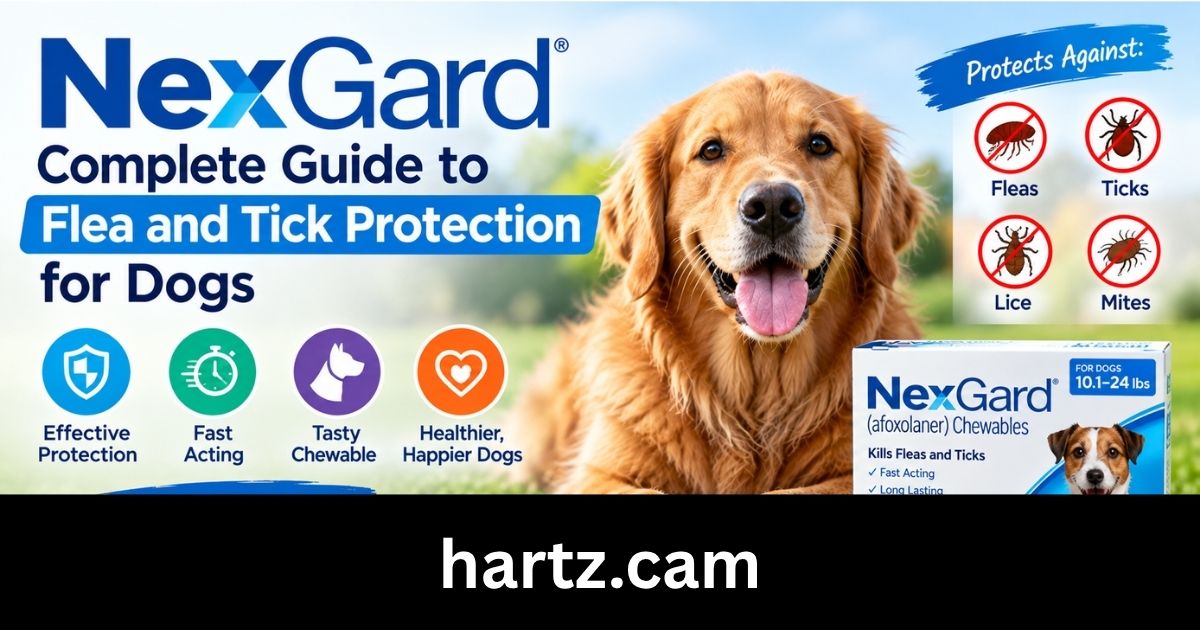
Keeping a dog protected from fleas and ticks is an important part of responsible pet wellness. These parasites can cause itching and skin irritation, and some ticks can transmit disease. NexGard is an oral flea and tick treatment for dogs that contains the active ingredient afoxolaner, an antiparasitic medication in the isoxazoline class.
NexGard is designed to help control adult fleas and several important tick species. In the United States, the FDA-approved labeling covers dogs and puppies that are at least 8 weeks old and weigh at least 4 pounds.
This guide explains how works, what it protects against, how it is generally used, possible side effects, and important safety considerations for dog owners.
What Is NexGard?
is a flavored chewable tablet containing afoxolaner. It is administered by mouth and is designed to provide one month of protection against certain flea and tick infestations in dogs.
Unlike topical flea treatments that are applied directly to the skin, is given orally. The medication enters the dog’s system and works when fleas or ticks feed on a treated animal.
is a prescription veterinary medicine in the United States, so a veterinarian can consider the dog’s age, weight, health history, and parasite risks before recommending it.
How Does NexGard Work?
NexGard belongs to the isoxazoline class of parasite-control medications. Afoxolaner interferes with the nervous system of susceptible parasites, helping kill fleas and ticks after they are exposed to the drug through feeding.
The FDA lists as indicated for the treatment and prevention of flea infestations and for treatment and control of several tick species in dogs. The labeled tick species include black-legged ticks, American dog ticks, lone star ticks, brown dog ticks, and longhorned ticks.
Because is an oral product, owners do not have to apply a liquid treatment to the dog’s coat. This can be convenient for households where topical products are difficult to administer.
What Does NexGard Protect Dogs Against?
Fleas
is indicated for the treatment and prevention of flea infestations caused by adult fleas. Controlling fleas can help reduce scratching and the discomfort associated with flea infestations.
Flea control is particularly important because a small number of fleas can multiply quickly when environmental conditions are favorable. Treating the dog is only part of managing an established infestation; bedding, carpets, furniture, and other areas where fleas may develop may also need attention.
Ticks
is also labeled for the treatment and control of several tick species. Tick exposure can vary significantly depending on geography, season, outdoor activity, and the environment where a dog spends time.
Regular tick checks can still be useful even when a dog receives a preventive medication. Owners should remove attached ticks promptly and discuss unusual skin reactions or signs of illness with a veterinarian.
NexGard for Puppies
According to FDA-approved U.S. labeling, is indicated for dogs and puppies 8 weeks of age and older and weighing at least 4 pounds.
Puppies have different nutritional, developmental, and medical needs from adult dogs. Before giving a flea and tick medication to a young puppy, owners should verify the appropriate product and dose with a veterinarian.
Never assume that a dose intended for one weight range is appropriate for another dog. Weight-based dosing is important with veterinary medicines.
NexGard Dosage and Administration
is generally administered once a month according to the dog’s weight range and the product’s prescribing information.
The tablets come in different strengths so that the appropriate amount of afoxolaner can be provided for the dog’s body weight. Owners should follow the package instructions and their veterinarian’s directions rather than estimating a dose.
If a dog spits out a tablet, vomits after receiving it, or misses a scheduled dose, the correct next step can depend on the circumstances. A veterinarian or veterinary pharmacist can provide instructions specific to the product and dog.
Possible NexGard Side Effects
Like any medication, can cause adverse reactions in some dogs. Reported reactions have included gastrointestinal signs such as vomiting and diarrhea, as well as decreased appetite, lethargy, and itching.
Most dogs tolerate isoxazoline products without serious problems, but owners should still understand the safety information.
The FDA has also warned that isoxazoline-class products, including , have been associated with neurologic adverse events such as tremors, ataxia, and seizures. These events have occurred in some animals with and without a previous history of seizures.
If a dog develops concerning symptoms after receiving , contact a veterinarian promptly. Emergency veterinary care may be appropriate for severe neurologic symptoms, repeated vomiting, collapse, difficulty breathing, or other serious reactions.
Is NexGard Safe for Dogs?
The FDA considers isoxazoline products safe and effective for the majority of dogs and cats while recognizing the potential for neurologic adverse reactions. Veterinarians can consider an individual animal’s medical history when deciding whether an isoxazoline product is appropriate.
Extra caution is appropriate for dogs with a history of seizures or neurologic disorders. FDA information specifically notes that seizures have been reported in dogs receiving isoxazoline drugs, including animals without a previous seizure history.
Owners should tell their veterinarian about previous seizures, neurologic conditions, current medications, allergies, and other relevant health information before starting a new parasite-control product.
New World Screwworm
In February 2026, the FDA issued an Emergency Use Authorization for chewable tablets for treatment of New World screwworm infestations in dogs. This is separate from the product’s established flea and tick indications.
The authorization has specific conditions and veterinary considerations. Pet owners should not treat suspected screwworm infestations on their own. Veterinary examination and appropriate wound care are important when myiasis is suspected.
NexGard vs. Other Flea and Tick Products
is one option among several parasite-control products available for dogs. Other products may use different active ingredients, administration methods, or treatment intervals.
Some are oral medications, while others are topical treatments or collars. The appropriate choice can depend on the dog’s age, weight, lifestyle, location, parasite exposure, medical history, and other medications.
Rather than choosing a flea and tick product solely because it is popular, discuss the available options with a veterinarian. This is particularly important for dogs with neurological conditions or previous reactions to parasite medications.
Tips for Using NexGard Responsibly
A consistent parasite-prevention routine can make treatment more effective. Consider these practical steps:
- Give the medication according to the prescribed schedule.
- Use the strength appropriate for your dog’s current weight.
- Keep track of monthly doses on a calendar or reminder app.
- Check your dog regularly for ticks after outdoor activities.
- Wash or clean pet bedding when dealing with a flea infestation.
- Tell your veterinarian about all medications and supplements your dog receives.
- Watch your dog for unusual reactions after treatment.
- Keep veterinary medicines away from children and animals that should not receive them.
Regular veterinary checkups can also help ensure that parasite prevention remains appropriate as a dog ages or its lifestyle changes.
Frequently Asked Questions About NexGard
1. What is NexGard used for?
is primarily used for flea and tick control in dogs. FDA-approved U.S. labeling includes treatment and prevention of flea infestations and treatment and control of several tick species.
2. How often is NexGard given?
is generally administered once every month according to the product labeling and the dog’s weight. Follow the schedule provided by your veterinarian.
3. Can puppies take NexGard?
In the United States, the FDA-approved labeling specifies use in dogs and puppies that are at least 8 weeks old and weigh at least 4 pounds.
4. What are common NexGard side effects?
Reported adverse reactions include vomiting, diarrhea, decreased appetite, lethargy, and itching. Neurologic reactions such as tremors, ataxia, and seizures have also been associated with isoxazoline products.
5. Can dogs with seizures take NexGard?
Dogs with a history of seizures or neurologic disorders require particular veterinary consideration. The FDA recommends discussing an individual pet’s medical history with a veterinarian because neurologic adverse reactions have been reported with isoxazoline products.
6. Does NexGard kill ticks?
Yes. is indicated for treatment and control of several tick species in dogs. The specific tick species covered depend on the product’s approved labeling.
7. Can I give NexGard without asking a veterinarian?
NexGard is a veterinary medication, and its availability and prescribing requirements can vary by country. A veterinarian can determine whether it is appropriate for your dog’s age, weight, health history, and parasite exposure.
Conclusion
NexGard is an oral flea and tick medication containing afoxolaner that can provide monthly parasite protection for eligible dogs. Its established U.S. indications include adult flea treatment and prevention and control of several important tick species.
While most dogs tolerate isoxazoline products well, understanding potential adverse reactions is important. Dogs with seizure histories or neurological conditions should receive individualized veterinary guidance before using .
For the best approach to and dog parasite prevention, consider your pet’s age, weight, lifestyle, health history, and local parasite risks, and follow the advice of a qualified veterinarian.