



Table of Contents
Pet wellness is about protecting an animal’s health at every stage of life. Routine veterinary examinations, vaccinations, parasite prevention, dental care, proper nutrition, exercise, and early diagnosis all contribute to a healthier and happier companion. However, some medical problems require a higher level of care than a regular veterinary clinic can provide. In these situations, a pets referral center can become an important part of a pet’s healthcare team.
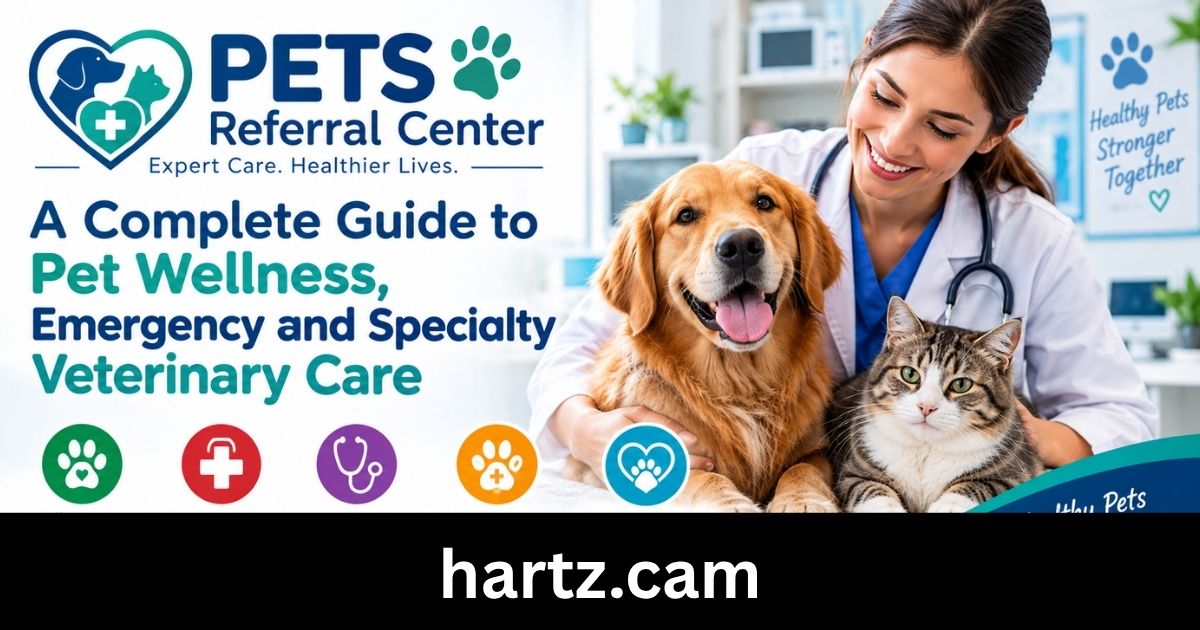
PETS Referral Center in Berkeley, California, provides emergency, critical care, and specialty veterinary services for dogs, cats, and other companion animals. The facility is designed to handle serious illnesses, injuries, complex medical conditions, and cases requiring specialized diagnostics or treatment. Its emergency service operates 24 hours a day, seven days a week, making it an important resource when a pet needs immediate veterinary attention.
Understanding how referral veterinary care works can help pet owners recognize when specialized treatment may be necessary and how it fits into an overall pet wellness plan.
What Is a Pets Referral Center?
A pets referral center is a veterinary facility that provides specialized or advanced medical services. Primary-care veterinarians handle many everyday healthcare needs, including wellness examinations, vaccinations, routine diagnostics, preventive treatments, and general medical care. When a pet develops a complicated condition or requires a specialist, the primary veterinarian may recommend a referral.
Referral hospitals typically have veterinarians with advanced training in specific areas of medicine. They may also have specialized equipment that is not commonly available at smaller veterinary practices.
PETS Referral Center provides emergency and specialty care and works with primary-care veterinarians when patients require advanced treatment. This relationship allows the regular veterinarian and specialists to share information and coordinate the pet’s care.
For owners, a referral center should not be viewed as a replacement for regular veterinary care. Instead, it is another level of healthcare that becomes valuable when a pet’s condition requires additional expertise.
About PETS Referral Center
PETS Referral Center is located in Berkeley, California, and serves pets requiring emergency, critical, and specialty veterinary treatment. Its emergency department operates around the clock, including weekends and holidays.
The center’s veterinary team includes professionals with expertise in several specialized areas, including emergency and critical care, surgery, internal medicine, oncology, ophthalmology, radiology, and exotic-animal medicine.
This range of services allows the facility to evaluate pets with complicated symptoms and provide advanced treatment when necessary. Depending on the case, a pet may receive diagnostic testing, medical treatment, surgery, hospitalization, intensive monitoring, or specialty consultation.
For pet owners, having access to a 24-hour veterinary facility can provide an important option when a serious health problem occurs outside the normal operating hours of a family veterinarian.
Why Pet Wellness Matters
Pet wellness begins long before an emergency happens. Preventive care helps veterinarians identify potential problems early and gives owners an opportunity to maintain healthy habits.
A comprehensive pet wellness plan can include:
- Regular veterinary examinations
- Vaccinations
- Parasite prevention
- Dental care
- Healthy nutrition
- Weight management
- Exercise
- Behavioral monitoring
- Preventive blood testing when appropriate
- Spaying or neutering when recommended
- Early investigation of unusual symptoms
Dogs and cats are often good at hiding discomfort. A pet may continue eating, playing, or interacting normally despite developing an underlying medical condition. Regular examinations can help identify changes before they become more serious.
When an illness or injury does occur, a pets referral center can provide additional medical resources.
Emergency Veterinary Care at a Referral Center
Emergency care is one of the most important services provided by a veterinary referral hospital. Emergencies can happen without warning, and waiting until the next regular appointment may not always be safe.
Examples of veterinary emergencies include severe injuries, difficulty breathing, uncontrolled bleeding, collapse, seizures, poisoning, serious allergic reactions, heat-related illness, and sudden severe weakness.
PETS Referral Center provides 24/7 emergency and critical care. Its emergency service is intended for pets that need immediate medical evaluation or treatment.
Emergency veterinarians generally begin by assessing the animal’s most urgent problems. Depending on the situation, they may stabilize breathing and circulation, control pain, administer medications, perform diagnostic tests, or recommend hospitalization.
The exact treatment depends on the animal’s condition, medical history, age, and response to initial care.
Critical Care and Hospitalization
Some pets require continuous monitoring after an emergency or major procedure. Critical care can be necessary when an animal is seriously ill, unstable, or recovering from a complicated medical event.
A veterinary critical-care team can monitor vital signs and respond quickly if the patient’s condition changes. Hospitalized pets may require intravenous fluids, medications, oxygen support, nutritional assistance, pain management, or other treatments.
PETS Referral Center provides intensive care and monitoring for appropriate patients. Advanced equipment and trained veterinary professionals can be particularly important for animals whose condition may change rapidly.
Hospitalization decisions are based on the individual pet’s medical needs. Some animals can return home after treatment, while others may need observation for several hours or days.
Specialty Veterinary Services
One of the biggest advantages of a referral center is access to veterinary specialists and advanced services.
Veterinary Surgery
Surgery may be required for serious injuries, tumors, gastrointestinal problems, orthopedic conditions, or other medical issues.
PETS Referral Center has veterinary surgical expertise for cases that require specialized evaluation or procedures. A specialist can assess whether surgery is appropriate and help develop a treatment and recovery plan.
Depending on the procedure, the veterinary team may also provide anesthesia, pain management, postoperative monitoring, and follow-up recommendations.
Veterinary Oncology
Cancer is one of the more complicated health problems that pets can develop. Veterinary oncology focuses on diagnosing and treating cancers in animals.
PETS Referral Center includes oncology expertise among its specialty services. Depending on the type and stage of cancer, treatment may involve surgery, chemotherapy, supportive care, or a combination of approaches.
Veterinary cancer care is not only about treating disease. Maintaining quality of life is also an important consideration. Owners and veterinarians can discuss treatment options, potential benefits, side effects, and the pet’s comfort.
Veterinary Ophthalmology
Eye conditions can range from minor irritation to serious diseases that threaten vision. Some eye problems also require specialized equipment and examination techniques.
PETS Referral Center has veterinary ophthalmology expertise for complicated eye conditions. Specialized evaluation may help determine whether a pet needs medication, surgery, monitoring, or another treatment approach.
Pet owners should take sudden eye problems seriously, especially if an animal has severe pain, swelling, discharge, cloudiness, trauma, or sudden vision changes.
Internal Medicine
Internal medicine involves diagnosing and treating diseases affecting the body’s internal systems. Problems involving the kidneys, liver, digestive system, endocrine system, respiratory system, or immune system may require specialized evaluation.
Pets with unexplained weight loss, persistent vomiting, chronic diarrhea, unusual thirst, changes in urination, or recurring illness may require more extensive diagnostic investigation.
A referral center can use advanced diagnostic techniques and specialist knowledge to investigate complicated cases.
Diagnostic Imaging
Modern veterinary medicine relies heavily on diagnostic imaging. X-rays, ultrasound, and other imaging techniques can help veterinarians investigate internal problems that cannot be identified through a physical examination alone.
PETS Referral Center offers advanced diagnostic services as part of its referral and specialty care.
Diagnostic imaging can be useful when veterinarians are investigating injuries, abdominal problems, tumors, heart conditions, internal bleeding, or other complicated medical concerns.
The Importance of Communication With Your Regular Veterinarian
A referral hospital and primary veterinarian often work together rather than operating independently.
Your regular veterinarian may know your pet’s medical history, previous illnesses, medications, vaccination records, allergies, and long-term health patterns. A specialist can then add advanced knowledge or treatment options for the current problem.
After emergency or specialty treatment, the referral center can communicate important information back to the primary-care veterinarian. This helps create continuity of care.
Pet owners should keep copies of important medical information and provide accurate details about medications, previous diagnoses, allergies, and recent symptoms.
Good communication can make veterinary treatment more efficient and help prevent misunderstandings.
When Should You Visit a Pets Referral Center?
Not every health problem requires emergency veterinary care. Minor issues may be appropriate for a normal appointment with a primary veterinarian.
However, certain symptoms should receive urgent attention.
These may include:
- Difficulty breathing
- Collapse or unconsciousness
- Severe bleeding
- Repeated seizures
- Serious trauma
- Suspected poisoning
- Extreme weakness
- Severe or persistent vomiting
- Sudden inability to walk
- Severe abdominal pain
- Difficulty urinating
- Sudden neurological changes
- Major burns or injuries
If you are unsure whether a condition is an emergency, contacting a veterinary professional can help you decide what to do.
Pet owners should avoid giving human medications without veterinary guidance. Some medications that are safe for people can be dangerous or even toxic to dogs and cats.
Preparing for a Veterinary Emergency
Emergency preparation is an important part of responsible pet ownership. You cannot prevent every accident or illness, but you can make the response faster and more organized.
Keep your veterinarian’s telephone number in your phone and know the location of a nearby emergency veterinary hospital. It can also be helpful to keep vaccination records and medical information in an easily accessible location.
If your pet takes medication, maintain a current list containing the medication name, dosage, and frequency.
A basic pet emergency kit can also include a leash, carrier, clean towels, disposable gloves, basic wound-care supplies, and copies of important medical records.
During an emergency, try to remain calm. Frightened or injured animals may bite even when they normally have a gentle temperament.
Pet Wellness After Emergency Treatment
Emergency treatment is only one part of recovery. After a serious illness, injury, or procedure, pets may need careful monitoring at home.
Follow the veterinarian’s instructions regarding medication, feeding, exercise, wound care, and follow-up appointments.
Watch for changes in appetite, behavior, breathing, mobility, urination, bowel movements, and overall energy. If symptoms worsen or new concerning symptoms appear, contact a veterinarian promptly.
Recovery time varies considerably. A young, otherwise healthy pet may recover quickly from some conditions, while older animals or pets with chronic disease may require longer-term monitoring.
How to Support Long-Term Pet Wellness
A referral center is most effective when combined with consistent preventive care. Owners can support long-term pet wellness by scheduling routine examinations and following recommended vaccination and parasite-prevention programs.
Nutrition also plays an important role. Feed pets an age-appropriate, nutritionally complete diet and avoid excessive treats. Maintaining a healthy body weight can reduce stress on joints and lower the risk of obesity-related health problems.
Exercise should be appropriate for the pet’s age, breed, size, and physical condition. Dogs may benefit from walks and interactive games, while cats can benefit from toys, climbing structures, scratching posts, and interactive play.
Dental health should also be part of the routine. Regular dental examinations and veterinarian-approved home dental care can help protect oral health.
Finally, pay attention to changes in your pet’s normal behavior. Changes in appetite, drinking, sleeping, activity, grooming, or social behavior can sometimes indicate an underlying health problem.
Frequently Asked Questions About PETS Referral Center
1. What is PETS Referral Center?
PETS Referral Center is a veterinary hospital in Berkeley, California, offering emergency, critical-care, and specialty veterinary services. It provides advanced care for pets with serious, complicated, or urgent medical conditions.
2. Is PETS Referral Center open 24 hours?
Yes. PETS Referral Center provides 24/7 emergency veterinary services, allowing pet owners to seek emergency care outside normal veterinary office hours.
3. Does a pet need a referral for emergency care?
Emergency veterinary hospitals can generally evaluate urgent cases without waiting for a routine referral. For planned specialty services, communication with or referral from a primary veterinarian may be appropriate.
4. What specialty services are available?
PETS Referral Center provides access to areas including emergency and critical care, surgery, oncology, ophthalmology, internal medicine, radiology, and other specialty services.
5. Should routine vaccinations be done at a referral center?
Routine preventive care, including standard vaccinations, is normally provided by a pet’s primary-care veterinarian. Referral centers primarily focus on emergency and specialized medical needs.
6. What symptoms require emergency veterinary care?
Difficulty breathing, collapse, severe bleeding, seizures, serious trauma, poisoning, extreme weakness, and other potentially life-threatening symptoms should be treated as veterinary emergencies.
7. Can my regular veterinarian work with PETS Referral Center?
Yes. Referral hospitals commonly work with primary-care veterinarians to share medical information and coordinate treatment. This can help ensure that pets receive appropriate follow-up care after specialty treatment.
8. How can I improve my pet’s overall wellness?
Regular veterinary checkups, appropriate vaccinations, parasite prevention, healthy nutrition, dental care, exercise, weight management, mental stimulation, and early attention to unusual symptoms are all important components of pet wellness.
Conclusion
A healthy pet benefits from consistent preventive care, but responsible pet ownership also means being prepared for unexpected health problems. A pets referral center can provide an important level of support when an animal needs emergency treatment, advanced diagnostics, surgery, critical care, or specialized veterinary expertise.
PETS Referral Center in Berkeley provides 24-hour emergency and specialty veterinary services and works alongside primary-care veterinarians to help manage complex cases. Its range of expertise can be particularly valuable for pets experiencing serious illness, traumatic injuries, complicated medical conditions, or situations requiring specialist attention.
Ultimately, the best approach to pet wellness is proactive. Schedule regular veterinary examinations, provide appropriate nutrition and exercise, maintain preventive healthcare, monitor changes in behavior, and know where to seek emergency help when something goes wrong. Combining everyday preventive care with access to specialized veterinary treatment gives pets the best opportunity for a healthier, safer, and more comfortable life.