






Table of Contents
Introduction
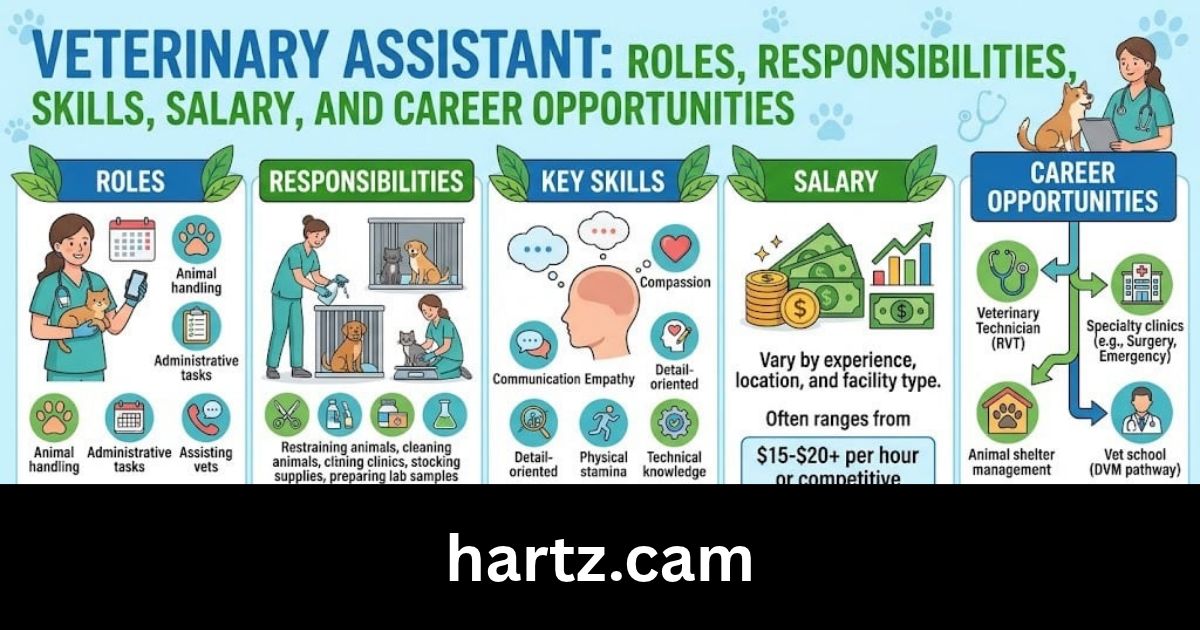
A veterinary assistant plays an important role in keeping pets healthy, comfortable, and safe during veterinary visits. From helping veterinarians examine animals to cleaning treatment areas and supporting pet owners, veterinary assistants contribute to the daily operations of animal hospitals, clinics, shelters, and other animal care facilities.
For people who love animals and want to build a career in pet wellness, becoming a veterinary assistant can be a rewarding starting point. This profession combines practical animal care, communication, teamwork, and basic knowledge of animal health. Understanding the responsibilities, required skills, education, and career opportunities can help you decide whether this role is right for you.
What Is a Veterinary Assistant?
A veterinary is an animal care professional who supports veterinarians and veterinary technicians with routine clinical and administrative tasks. Their primary responsibility is to help provide a clean, safe, and comfortable environment for animals receiving medical attention.
Veterinary assistants may work with dogs, cats, rabbits, birds, and other animals, depending on the facility. They help prepare examination rooms, organize supplies, monitor animals under supervision, and assist with handling pets during examinations.
Although veterinary assistants play an important role in animal healthcare, they are not the same as veterinarians. They generally do not independently diagnose illnesses, prescribe medications, or perform procedures that require professional veterinary credentials.
What Does a Veterinary Assistant Do?
The daily responsibilities of a veterinary vary depending on the size of the clinic, the animals being treated, and the needs of the veterinary team.
1. Assisting With Animal Examinations
One of the main duties of a veterinary is helping prepare animals for examinations. This may involve safely positioning a dog or cat, providing reassurance, and helping the veterinarian access the area being examined.
Some animals become nervous when visiting a clinic. A veterinary uses calm movements and appropriate handling techniques to reduce stress and help prevent injuries to both the animal and the healthcare team.
2. Providing Basic Animal Care
Veterinary often help with routine animal care under the direction of veterinary professionals. Responsibilities may include feeding hospitalized pets, providing fresh water, changing bedding, maintaining clean enclosures, and observing animals for changes in behavior.
They may also report signs such as reduced appetite, unusual breathing, vomiting, diarrhea, or increased discomfort to the veterinarian.
Early communication is essential because small changes in an animal’s condition can sometimes indicate a medical problem.
3. Maintaining Clean and Safe Treatment Areas
Cleanliness is a major part of veterinary healthcare. Veterinary clean examination rooms, disinfect appropriate surfaces, wash equipment, and prepare treatment areas between patients.
They may also help manage laundry, dispose of waste according to clinic procedures, and restock supplies.
Following hygiene and infection-control protocols helps reduce the risk of disease transmission between animals, staff members, and pet owners.
4. Supporting Veterinary Procedures
Depending on their training and local regulations, veterinary may help prepare equipment, gather medical supplies, position animals, and support the veterinary team during routine procedures.
They may assist with preparing animals for diagnostic testing or surgery and help maintain a suitable environment during recovery.
All clinical tasks must remain within the assistant’s authorized scope of practice and follow the veterinarian’s instructions.
5. Communicating With Pet Owners
Veterinary often interact with pet owners before, during, and after appointments. They may help collect basic information about an animal’s symptoms, explain routine clinic procedures, and direct medical questions to the appropriate professional.
Good communication helps pet owners feel more comfortable and encourages them to follow veterinary recommendations.
Veterinary assistants should avoid making promises about treatment outcomes or providing diagnoses outside their qualifications.
Veterinary Assistant vs. Veterinary Technician
Although these job titles sound similar, the roles can differ in education, responsibilities, and professional requirements.
| Feature | Veterinary Assistant | Veterinary Technician |
|---|---|---|
| Education | Often high school education with on-the-job training | Usually formal veterinary technology education |
| Main role | Supports animal care and clinic operations | Performs more advanced technical and clinical duties |
| Typical tasks | Cleaning, feeding, handling animals, preparing rooms | Laboratory testing, monitoring anesthesia, assisting with procedures |
| Certification | May be optional, depending on location and employer | Often required or preferred, depending on local regulations |
| Career entry | Frequently accessible to beginners | Usually requires additional specialized training |
The exact distinction depends on the country and local laws. In some locations, veterinary nurses have a different professional title and regulated responsibilities.
People interested in a long-term clinical career may begin as veterinary assistants before pursuing further education.
Essential Skills for a Veterinary Assistant
Successful veterinary assistants need more than a love of animals. They must also demonstrate patience, attention to detail, and the ability to work in a busy healthcare environment.
Animal Handling Skills
Understanding animal body language helps assistants recognize fear, stress, discomfort, and possible aggression. They must learn safe restraint techniques and know when to request additional help.
Communication Skills
Veterinary communicate with veterinarians, technicians, receptionists, and pet owners. Clear communication reduces misunderstandings and supports coordinated patient care.
Attention to Detail
Careful observation is essential when monitoring an animal’s appetite, behavior, movement, or general condition. Assistants must also follow instructions accurately and maintain organized records when required.
Compassion and Patience
Animals cannot explain their symptoms verbally. A compassionate veterinary assistant recognizes that sick or frightened pets may behave differently from usual and responds calmly.
Physical Stamina
The job may involve standing for long periods, cleaning, lifting supplies, and helping handle animals. Safe lifting practices and proper handling equipment are important for preventing injuries.
Teamwork and Organization
Veterinary clinics can become busy quickly, particularly during emergencies. Assistants need to prioritize tasks, prepare supplies, maintain clean workspaces, and communicate effectively with colleagues.
How to Become a Veterinary Assistant
Becoming a veterinary assistant can be an accessible way to enter the animal healthcare field. The exact requirements vary by employer and country.
Step 1: Complete Basic Education
Many employers require a high school diploma or an equivalent qualification. Subjects such as biology and general science can provide a useful foundation for understanding animal health.
Good reading, writing, and communication skills are also valuable because the role involves following instructions and recording information.
Step 2: Gain Animal Care Experience
Volunteering at an animal shelter, rescue organization, or animal welfare center can help you develop practical experience.
You may learn about feeding routines, hygiene, animal behavior, and safe interaction with pets. Always follow the organization’s training and supervision requirements.
Step 3: Consider a Veterinary Assistant Course
Some colleges, vocational schools, and online education providers offer veterinary assistant courses. These programs may cover animal anatomy, basic healthcare, clinic safety, infection control, and handling techniques.
Before enrolling, check the course’s credibility, practical training opportunities, and recognition by employers in your area.
Step 4: Apply for Entry-Level Positions
Look for opportunities at veterinary clinics, animal hospitals, shelters, boarding facilities, and rescue organizations.
A strong entry-level application should emphasize reliability, willingness to learn, animal care experience, and communication skills. Be honest about your qualifications and clinical experience.
Step 5: Continue Learning
Veterinary medicine continues to develop, and assistants can benefit from additional training in animal behavior, emergency response, hygiene, and patient care.
Some employers also offer supervised workplace training that helps new employees understand their specific responsibilities.
Veterinary Assistant Salary and Job Outlook
A veterinary assistant’s salary depends on several factors, including location, experience, education, employer, and working hours.
In the United States, veterinary assistants and laboratory animal caretakers are grouped within a broader occupational category by the Bureau of Labor Statistics. Their wages can differ considerably depending on the workplace and region.
Entry-level employees generally earn less than experienced workers with specialized skills. Large animal hospitals, research facilities, and certain specialized workplaces may offer different compensation packages from small general-practice clinics.
In Pakistan and other countries, salary levels can vary significantly between major cities, smaller towns, private clinics, animal shelters, and government or research institutions.
When evaluating a job, consider more than the monthly salary. Training opportunities, workplace safety, benefits, supervision, and career development can also influence whether a position is a good choice.
Demand for animal care services is influenced by pet ownership, access to veterinary services, animal welfare initiatives, and the need to care for sick or injured animals. However, employment opportunities vary by region, so researching local vacancies is worthwhile.
Where Can Veterinary Assistants Work?
Veterinary assistants can find opportunities in several types of animal care environments.
Veterinary Clinics and Animal Hospitals
General veterinary clinics provide preventive care, routine examinations, vaccinations, and treatment for common illnesses. Animal hospitals may also handle more complex medical cases and overnight patient care.
Animal Shelters and Rescue Centers
Shelters need staff members who can feed animals, maintain clean living areas, monitor health, and support adoption activities.
Animal Research Facilities
Some research institutions employ animal care workers who help maintain appropriate housing, feeding, sanitation, and welfare standards. These roles may require additional training and compliance with specific regulations.
Boarding and Pet Care Facilities
Although these workplaces may not provide medical treatment, assistants with animal care experience can sometimes find related opportunities in kennels, boarding facilities, and specialized pet care centers.
Challenges of Working as a Veterinary Assistant
While the profession can be fulfilling, it also has challenges.
Veterinary assistants may encounter frightened animals, stressful emergencies, difficult conversations with owners, and emotionally challenging situations involving serious illness or end-of-life care.
The work can also be physically demanding and may involve exposure to animal waste, cleaning products, scratches, or bites.
Appropriate protective equipment, safe animal handling, infection-control procedures, and clear workplace protocols help reduce these risks.
Emotional well-being is equally important. Learning to communicate with colleagues, take appropriate breaks, and seek support after difficult cases can help assistants manage the demands of the job.
Frequently Asked Questions (FAQs)
1. What is the main job of a veterinary assistant?
The main job of a veterinary assistant is to support veterinarians and veterinary technicians with animal handling, basic care, cleaning, preparation for examinations, and other authorized clinical or administrative tasks.
2. Do you need a degree to become a veterinary assistant?
A college degree is not always required. Many employers accept applicants with a high school education and provide on-the-job training. Some positions prefer candidates who have completed a relevant certificate or vocational course.
3. How long does it take to become a veterinary assistant?
The timeline depends on the training route. Some people begin entry-level work after basic workplace training, while certificate programs may take several months or longer. Requirements vary by employer and location.
4. Can a veterinary assistant give medications to animals?
Veterinary assistants may be permitted to administer certain medications under appropriate supervision, depending on their training and local regulations. They should never prescribe medication or perform tasks beyond their authorized responsibilities.
5. Is being a veterinary assistant a good career?
It can be a good career for people who enjoy animal care, practical work, and teamwork. However, applicants should consider the physical demands, emotional challenges, working conditions, and salary opportunities before choosing the profession.
6. What is the difference between a veterinary assistant and a veterinarian?
A veterinarian completes extensive professional education and is qualified to diagnose illnesses, prescribe treatments, and perform medical procedures within their licensed scope. A veterinary assistant provides support and routine animal care under appropriate direction.
7. Can a veterinary assistant become a veterinary technician?
Yes. Veterinary assistants can pursue further education in veterinary technology or veterinary nursing, depending on the country. Additional qualifications, examinations, and registration may be required to become a recognized professional in that field.
Conclusion
A veterinary assistant is an important member of the animal healthcare team, helping veterinary professionals provide safe, compassionate care to pets and other animals. The role includes assisting with examinations, maintaining clean facilities, supporting animal recovery, and communicating with pet owners.
For individuals interested in pet wellness, this career can provide valuable practical experience and a pathway toward more advanced animal healthcare roles. By developing animal handling skills, gaining supervised experience, and pursuing appropriate training, aspiring veterinary assistants can prepare for a meaningful career focused on improving animal health and well-being.