


Table of Contents
Introduction
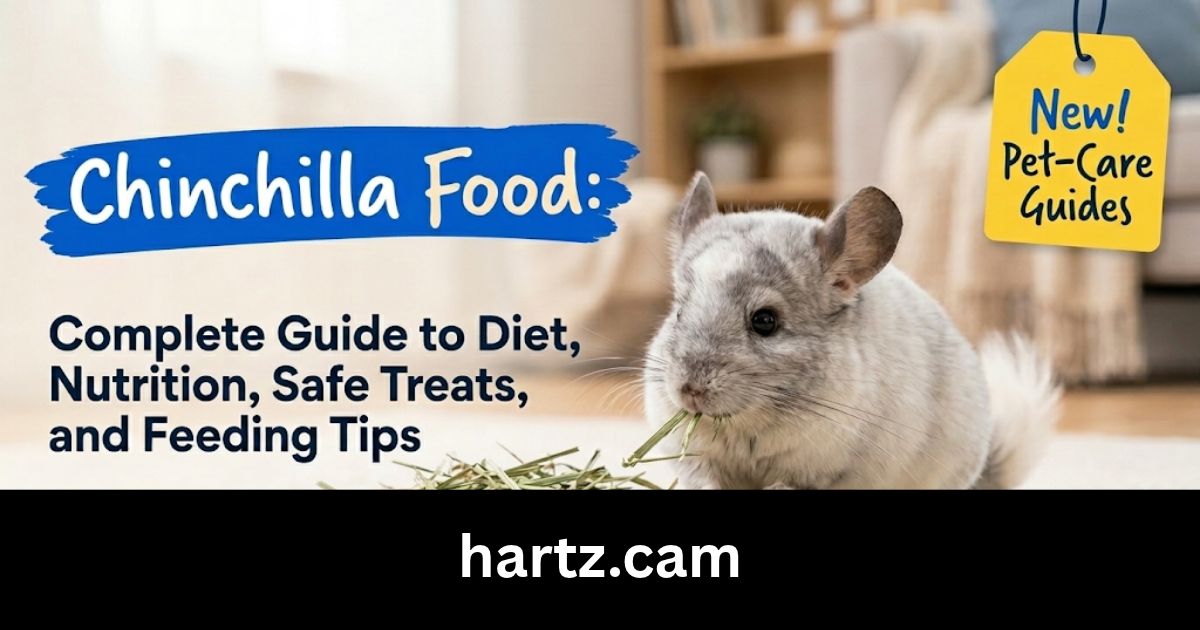
Choosing the right chinchilla food is essential for keeping your small pet healthy, active, and comfortable. Chinchillas are adorable rodents known for their soft fur, energetic personalities, and sensitive digestive systems. Unlike dogs, cats, and many other household pets, chinchilla food require a specialized diet that is high in fiber and low in sugar and fat.
A balanced diet mainly consists of high-quality grass hay, specially formulated chinchilla food pellets, and fresh drinking water. Treats can be offered occasionally, but many common human foods are unsuitable for these small animals. Understanding what chinchillas can eat, how much food they need, and which ingredients to avoid can help prevent digestive problems and support long-term wellness.
This guide explains the best food choices for chinchillas, proper feeding habits, safe treats, and common dietary mistakes every owner should know about.
What Is the Best Chinchilla Food?
The best chinchilla food provides sufficient fiber, appropriate nutrients, and consistent quality without excessive sugar or fat. Because chinchillas have digestive systems adapted to fibrous plant material, their daily diet should closely match their natural nutritional needs.
1. Grass Hay
Grass hay is the most important part of a chinchilla food diet. Timothy hay is a popular choice because it supplies fiber and encourages the natural chewing activity needed to maintain healthy teeth.
Good options include:
- Timothy hay: An excellent everyday choice for adult chinchillas.
- Orchard grass hay: A softer alternative that many chinchillas enjoy.
- Meadow hay: Provides variety in texture and taste.
- Oat hay: Can be offered as part of a varied grass-hay selection.
Hay should be available throughout the day. Provide fresh, clean hay and remove any damp, dirty, or spoiled material. Avoid hay that smells musty or contains visible mold.
2. High-Quality Chinchilla Pellets
Commercial chinchilla pellets help provide additional nutrients alongside grass hay. Choose a product specifically formulated for chinchilla food rather than using rabbit, guinea pig, or other small-animal food as a substitute.
Look for pellets that contain suitable fiber levels and do not include unnecessary sugary additions. Plain, uniform pellets are generally preferable to colorful mixes containing seeds, dried fruit, nuts, or sweetened pieces.
Follow the feeding instructions on the product label and consult an exotic-animal veterinarian if your chinchilla has special dietary requirements.
3. Fresh Drinking Water
Clean water is essential for digestion, temperature regulation, and overall health. Chinchillas should have access to fresh drinking water every day.
You can use a properly maintained water bottle or a stable, clean water bowl. Check bottles regularly to ensure the nozzle works correctly and does not become blocked. Replace the water daily and clean the container frequently.
What Do Chinchillas Eat in the Wild?
Wild chinchillas live in the rocky regions of the Andes Mountains in South America. Their natural diet consists mainly of grasses, leaves, herbs, and other available plant material.
Their digestive systems are adapted to extracting nutrients from fibrous foods. This is why a pet chinchilla food should not receive a diet dominated by fruits, vegetables, nuts, or sugary snacks.
Although domesticated chinchilla food have access to commercial food, their basic nutritional needs remain similar to those of their wild relatives. Providing unlimited grass hay, suitable pellets, and clean water helps reproduce the most important features of their natural feeding pattern.
How Much Food Does a Chinchilla Need?
The appropriate quantity of chinchilla food depends on the animal’s age, weight, activity level, health, and the nutritional content of its pellets.
Daily Feeding Guidelines
| Food type | General feeding recommendation |
|---|---|
| Grass hay | Available at all times |
| Chinchilla pellets | Usually around 1–2 tablespoons daily for an average adult, depending on the product and veterinary advice |
| Fresh water | Unlimited access |
| Treats | Rarely and in very small quantities |
These amounts are general starting points, not strict rules for every chinchilla. Always check the pellet manufacturer’s directions and monitor your pet’s weight and body condition.
Avoid filling the cage with excessive pellets, as this may encourage your chinchilla to eat less hay. Hay should remain the foundation of its diet.
Feeding Baby Chinchillas
Young chinchillas have different nutritional requirements from adults. Kits typically nurse from their mothers during early development and gradually begin eating hay and suitable solid food.
Do not separate young chinchilla food from their mothers prematurely or introduce sudden dietary changes. If a kit is orphaned, fails to gain weight, or cannot nurse properly, contact an exotic-animal veterinarian for guidance on appropriate feeding and care.
Feeding Senior Chinchillas
Older chinchillas may experience dental disease, reduced activity, or other health conditions that affect their eating habits. However, soft treats and sugary foods are not automatically appropriate alternatives to hay.
If an older chinchilla struggles to chew, loses weight, or drops food from its mouth, arrange a veterinary examination. Dental problems are common reasons for changes in eating behavior.
Can Chinchillas Eat Fruits and Vegetables?
chinchilla food have sensitive digestive systems, so fresh produce should not replace their normal diet. Fruits are particularly high in sugar, while some vegetables can cause digestive upset or are unsuitable in large quantities.
Many exotic-pet veterinarians recommend avoiding fresh fruit and most fresh vegetables as routine treats, especially when a chinchilla is accustomed to a simple hay-and-pellet diet.
Foods to Avoid
Avoid giving chinchillas the following foods:
- Chocolate and candy
- Bread, cookies, and other processed human foods
- Sugary cereals and sweetened snacks
- Nuts and seeds as routine food
- Dried fruit, raisins, and other concentrated sugary treats
- Avocado
- Onion and garlic
- Foods containing artificial sweeteners or excessive salt
- Spoiled, moldy, or chemically contaminated plant material
These foods can cause nutritional imbalances or digestive problems. Some may also be directly toxic.
If your chinchilla accidentally eats a potentially poisonous food, contact an exotic-animal veterinarian promptly rather than waiting for symptoms to appear.
What Treats Are Safe for Chinchillas?
Treats should be occasional extras rather than a regular part of a chinchilla food diet. Many commercially marketed small-animal treats contain ingredients that are too sugary or fatty for frequent feeding.
Better Treat Options
Small amounts of suitable dried herbs or edible flowers may be appropriate, provided they are confirmed safe for chinchillas and are free from pesticides and other contaminants.
Examples sometimes used as occasional treats include:
- Dried rose petals from a safe, untreated source
- Small amounts of suitable dried herbs
- A little additional grass hay with a different texture
Introduce any new treat gradually and offer only a tiny quantity. Stop feeding it if your pet develops softer stools, reduced appetite, bloating, or other unusual symptoms.
Avoid assuming that a food is safe simply because it is sold for rabbits, guinea pigs, or other rodents. Different species have different nutritional requirements.
Why Is Fiber Important in Chinchilla Food?
Fiber supports healthy digestion and helps chinchilla food maintain normal gastrointestinal function. A fiber-rich diet also encourages prolonged chewing, which is important because chinchillas have teeth that continue growing throughout their lives.
Grass hay provides the roughage needed for these processes. When a chinchilla food eats too many low-fiber foods, it may consume less hay and become more vulnerable to digestive disturbances.
A lack of appropriate chewing material can also contribute to dental problems. Chinchilla teeth may develop uneven wear, sharp points, or other abnormalities that make eating painful.
Providing plenty of fresh hay is therefore important for both digestive and dental health.
Common Chinchilla Feeding Mistakes
Even caring pet owners can make dietary mistakes when they do not understand a chinchilla’s nutritional needs.
Offering Too Many Treats
Sweet treats may encourage a chinchilla food to eat selectively. Over time, excessive treats can interfere with a balanced diet and contribute to weight problems or digestive disturbances.
Keep treats small and infrequent, and prioritize hay and suitable pellets.
Choosing the Wrong Pellets
Rabbit food, guinea pig food, and mixed seed products are not automatically suitable replacements for chinchilla pellets. Select food designed specifically for chinchillas and review its ingredients before purchasing.
Allowing Hay to Run Out
Hay should never be treated as an occasional supplement. Check the supply daily and replenish it whenever necessary.
Changing Food Suddenly
A sudden change in food can upset a chinchilla’s digestive system. When changing brands or introducing a new pellet formulation, transition gradually when possible and monitor appetite and droppings.
If your chinchilla refuses food or develops digestive symptoms during a transition, seek veterinary advice.
Ignoring Changes in Appetite
A chinchilla food that stops eating may be experiencing dental disease, gastrointestinal problems, pain, or another serious condition. Do not assume that your pet is simply being picky.
Reduced eating or a sudden decline in droppings warrants prompt veterinary attention.
How to Store Chinchilla Food Properly
Proper storage helps preserve the quality and safety of your pet’s food.
- Store pellets in a cool, dry location.
- Keep food in a clean, sealed container.
- Follow the manufacturer’s storage and expiration guidance.
- Protect hay from moisture and direct contamination.
- Discard food that smells unusual or shows signs of mold.
- Wash food containers regularly.
Do not store hay in a damp area, as mold can develop and create health risks. Purchase quantities that can be used while the food remains fresh.
Signs Your Chinchilla Is Eating a Healthy Diet
A suitable diet supports normal eating behavior, healthy body condition, and consistent digestion. Although individual animals differ, owners can monitor several useful signs.
A chinchilla food eating appropriately will generally show interest in hay, consume its normal pellet portion, drink regularly, and produce consistent, firm droppings.
Monitor your pet’s weight periodically using a suitable scale. Changes in weight can be easier to identify when recorded over time rather than judged by appearance alone.
Contact a veterinarian if you notice:
- Refusal to eat or a marked reduction in appetite
- Fewer or unusually small droppings
- Diarrhea or persistently abnormal stools
- Drooling, difficulty chewing, or dropping food
- Unexplained weight loss
- Abdominal swelling or signs of pain
Chinchillas can deteriorate quickly when they stop eating. These symptoms should not be managed by changing food alone.
Frequently Asked Questions About Chinchilla Food
1. What is the best food for a chinchilla?
High-quality grass hay, especially Timothy hay, should form the foundation of an adult chinchilla’s diet. Add a suitable chinchilla-specific pellet and provide unlimited clean water.
2. Can chinchillas eat carrots?
Carrots contain natural sugars and are not an ideal routine treat for chinchillas. Ask an exotic-animal veterinarian before introducing fresh produce, particularly if your pet has digestive or metabolic concerns.
3. Can chinchillas eat lettuce?
Lettuce is not necessary for a chinchilla food diet, and introducing fresh vegetables may cause digestive upset. A consistent diet based on grass hay and appropriate pellets is generally preferable.
4. How often should I feed my chinchilla?
Provide fresh hay throughout the day, measure pellets according to the product’s instructions and your veterinarian’s recommendations, and refresh the water daily.
5. Can chinchillas eat rabbit food?
Rabbit food should not automatically replace chinchilla pellets. Nutritional formulations differ, so choose a product specifically made for chinchillas.
6. Do chinchillas need vitamin supplements?
A healthy chinchilla eating an appropriate, complete diet generally does not need additional supplements unless a veterinarian identifies a specific requirement. Unnecessary supplements can create nutritional imbalances.
7. Why is my chinchilla not eating?
Possible causes include dental disease, pain, stress, or gastrointestinal illness. Contact an exotic-animal veterinarian promptly if your chinchilla stops eating or produces fewer droppings.
8. Can chinchillas eat hay every day?
Yes. Grass hay should be available every day, all day. It supports digestion, provides fiber, and helps maintain appropriate dental wear.
Conclusion
Choosing the right chinchilla food is one of the most important responsibilities of caring for this sensitive small pet. A diet centered on high-quality grass hay, suitable chinchilla pellets, and fresh drinking water provides the foundation for good nutrition.
Limit sugary treats, avoid unsuitable human foods, introduce dietary changes gradually, and monitor your pet’s appetite, weight, and droppings. If eating habits change or digestive symptoms appear, seek professional veterinary advice promptly.
With consistent feeding habits and an appropriate diet, you can help your chinchilla food maintain healthy teeth, normal digestion, and a better quality of life.