



Table of Contents
A Maltipoo is a popular companion dog known for its affectionate personality, soft coat, intelligence, and relatively small size. This designer cross between a Maltese and a Toy or Miniature Poodle can make a wonderful household companion when its exercise, grooming, training, nutrition, and veterinary needs are properly managed.
Although are often associated with their cute appearance and friendly nature, responsible ownership involves much more than choosing a puppy. Understanding their temperament, potential health concerns, grooming requirements, and daily routine can help owners provide a healthier and happier life.
What Is a Maltipoo?
A Maltipoo is a crossbreed produced by combining a Maltese with a Toy or Miniature Poodle. Because it is a mixed breed rather than a standardized purebred dog, can vary considerably in size, coat texture, coloring, and personality.
Their small stature makes them popular with people living in apartments and smaller homes. However, their size does not mean they require little attention. are often highly people-oriented and can become bored or distressed if they receive insufficient companionship and mental stimulation.
Maltipoo Appearance and Size
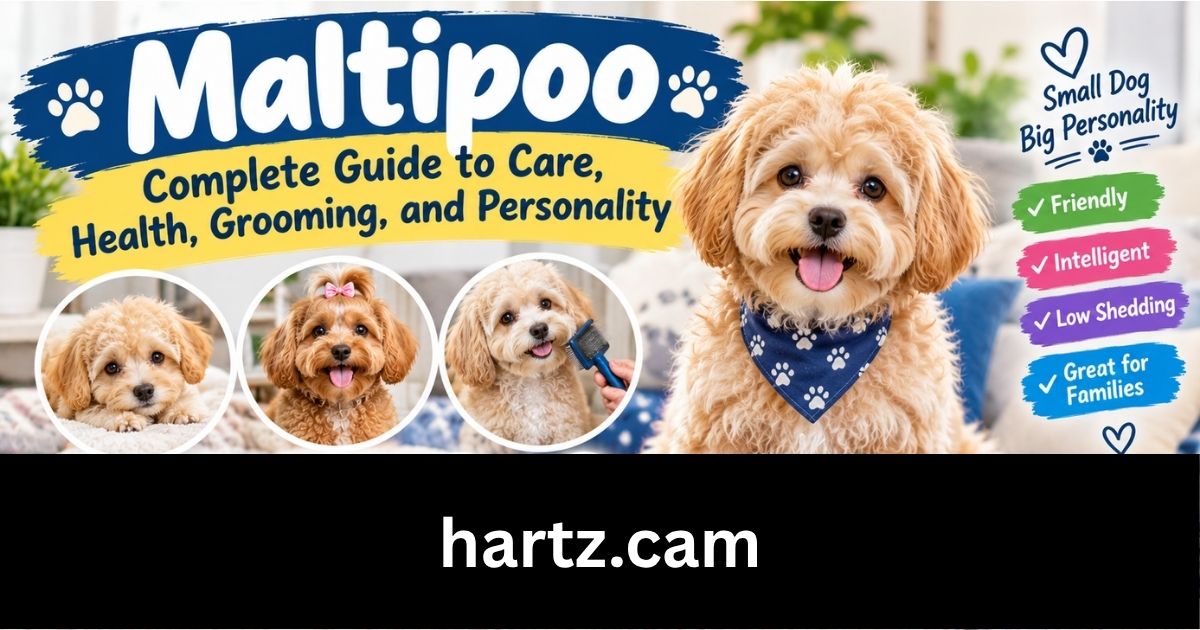
generally have a compact body, expressive eyes, floppy ears, and a soft, fluffy coat. Their appearance can range from more closely resembling a Maltese to having stronger Poodle characteristics.
How Big Does a Maltipoo Get?
Adult size depends largely on the size of the Poodle parent. Many remain relatively small, but there is no single guaranteed adult weight or height.
Toy Poodle crosses are generally smaller than those involving Miniature Poodles. Prospective owners should therefore ask breeders about the sizes of both parents rather than relying solely on labels such as “teacup” or “toy.”
Maltipoo Coat and Colors
coats can be straight, wavy, or curly. Common colors include white, cream, apricot, beige, and various shades of brown. Some dogs may have darker markings or gradually lighten as they mature.
Their coat is often described as low-shedding, particularly when it inherits Poodle characteristics. However, no dog is completely hypoallergenic. Allergies can be triggered by dander, saliva, and other proteins rather than fur alone.
Maltipoo Personality and Temperament
generally affectionate, social, playful, and intelligent. Many enjoy spending time with their owners and can form strong bonds with family members.
Their Poodle heritage can contribute to intelligence and trainability, while the Maltese side may contribute to their companion-oriented nature. Individual temperament still depends on genetics, early socialization, training, and environment.
Because they can be sensitive dogs, positive reinforcement is usually preferable to harsh corrections. Rewarding desirable behavior with treats, praise, toys, or attention can make training more productive.
Are Maltipoos Good Family Dogs?
A well-socialized can be a good family companion. They can adapt to different household environments and often enjoy interactive play and human companionship.
However, their small bodies can make them vulnerable to accidental injury. Families with very young children should teach children how to handle and interact with a small dog safely.
may also be good companions for older adults because of their manageable size, although owners still need to provide daily walks, play, grooming, training, and veterinary care.
Maltipoo Exercise Requirements
are small dogs, but they still need regular physical activity. Their exercise requirements can usually be met through a combination of short walks, indoor play, training sessions, and interactive activities.
A daily routine might include:
- Short walks
- Gentle games of fetch
- Indoor play
- Basic obedience exercises
- Puzzle toys
- Supervised socialization
- Mental enrichment
Avoid assuming that a small dog needs no exercise. Insufficient activity can contribute to boredom, unwanted behaviors, and weight gain.
Maltipoo Training and Socialization
are often eager to interact with their owners and can learn a variety of basic commands. Early training can help establish good habits before undesirable behaviors become routine.
Start with simple commands such as sit, stay, come, leave it, and down. Keep sessions short and enjoyable. Consistency is especially important because mixed-breed dogs can have different personalities and learning styles.
Socialization should also begin early. Carefully exposing a puppy to different people, appropriate dogs, household sounds, surfaces, and environments can help it become more comfortable with everyday experiences.
House Training a Maltipoo
House training can require patience, particularly with very small puppies. Their small bladders mean they may need more frequent bathroom opportunities than larger dogs.
Take the puppy outside or to its designated toilet area regularly, especially after sleeping, eating, drinking, and playing. Reward successful elimination immediately so the puppy can associate the behavior with a positive outcome.
Accidents should be handled calmly rather than punished.
Maltipoo Grooming Needs
One of the most important parts of care is regular grooming. Their soft coats can become tangled and matted when brushing is neglected.
Depending on the coat type and length, many benefit from frequent brushing, sometimes daily, to reduce tangles.
Bathing and Haircuts
generally need periodic bathing when they become dirty or according to their veterinarian or professional groomer’s recommendations. Use products formulated for dogs rather than human shampoo.
Professional grooming may be needed every few weeks, particularly if the coat is kept longer. A shorter, practical haircut can make maintenance easier.
Owners should also pay attention to:
- Nail trimming
- Ear cleaning
- Dental care
- Paw inspection
- Coat brushing
- Eye-area cleaning
Dental Care
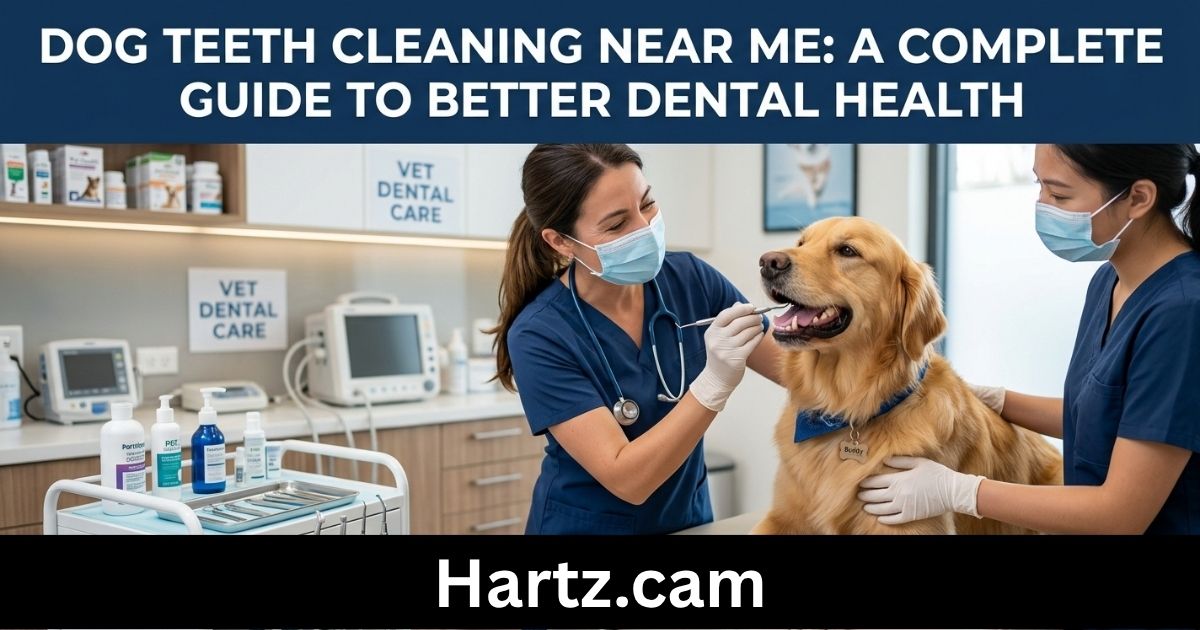
Dental hygiene deserves particular attention in small dogs. Plaque and tartar can accumulate around crowded teeth, potentially contributing to periodontal disease.
Regular tooth brushing with a dog-safe toothpaste is one of the most useful preventive habits. Never use human toothpaste unless specifically directed by a veterinarian, because some human products can contain ingredients that are unsafe for dogs.
Veterinary dental examinations should also be part of routine healthcare.
Maltipoo Health Problems
can be healthy dogs, but they may inherit health problems associated with either parent breed. Individual risk varies, and responsible breeding practices can help reduce certain inherited conditions.
Potential concerns can include:
- Dental disease
- Patellar luxation
- Eye problems
- Allergies or skin problems
- Ear infections
- Obesity
- Certain heart conditions
- Low blood sugar in very young or very small puppies
This does not mean that every will develop these conditions. Regular veterinary examinations are important for identifying problems early.
Maltipoo Veterinary Care
A veterinarian can create a preventive healthcare plan based on the dog’s age, lifestyle, location, and individual risks. Puppies generally need a series of vaccinations and parasite-control measures, while adult dogs require regular wellness examinations.
Owners should also monitor changes in appetite, energy, weight, bathroom habits, breathing, skin, coat, and behavior. Sudden or significant changes deserve veterinary attention.
Feeding a Maltipoo
A balanced, nutritionally complete dog food appropriate for the dog’s life stage is an important part of wellness. Puppies, adults, and senior dogs can have different nutritional requirements.
Because are small, portion control is important. Excess calories can lead to weight gain, which can place additional stress on joints and contribute to other health problems.
Treats should be given in moderation and included in the dog’s overall daily calorie intake. Fresh drinking water should always be available.
Very young or exceptionally small puppies may have particular nutritional and blood-sugar considerations, so feeding schedules should be discussed with a veterinarian.
Maltipoo and Separation Anxiety
Many enjoy being around people and may become overly dependent on their owners. Some can develop separation-related behaviors when left alone for extended period
Possible signs include excessive barking, whining, destructive behavior, pacing, or inappropriate elimination.
Gradually teaching a puppy to spend short periods alone can help build independence. Interactive toys, predictable routines, and calm departures can also be useful. Persistent separation problems may require guidance from a veterinarian or qualified canine behavior professional.
How Long Do Maltipoos Live?
lifespan can vary depending on genetics, overall health, nutrition, weight management, preventive veterinary care, and lifestyle. Many small dogs can live well into their teenage years.
There is no guaranteed lifespan for an individua. Providing appropriate nutrition, dental care, exercise, grooming, parasite prevention, vaccinations, and regular veterinary examinations can support long-term health.
Is a Maltipoo Right for You?
A may suit someone looking for a small, affectionate companion that enjoys interaction and can adapt to many living environments. However, prospective owners should be prepared for regular grooming, training, exercise, dental care, and companionship.
The breed’s small size should not be mistaken for low maintenance. A can require considerable attention, particularly during puppyhood.
Before getting one, consider your schedule, budget, living environment, access to veterinary care, and ability to provide daily interaction.
Frequently Asked Questions About Maltipoos
1. Are Maltipoos good pets?
can make affectionate and adaptable companion pets. Their suitability depends on the individual dog’s temperament and whether the owner’s lifestyle can accommodate grooming, exercise, training, and companionship.
2. Do Maltipoos shed a lot?
Many shed relatively little compared with some breeds, especially those with curlier coats. However, shedding varies between individual dogs, and no dog is completely hypoallergenic.
3. Are easy to train?
are often intelligent and responsive to positive reinforcement. Consistent training and early socialization can help them learn household manners and basic commands.
4. How often should a Maltipoo be groomed?
The frequency depends on coat type, length, and lifestyle. Regular brushing is important to prevent mats, while professional grooming may be needed periodically to maintain the coat.
5. Can live in apartments?
Yes. Their small size can make apartment living practical, provided they receive sufficient daily exercise, mental stimulation, training, and opportunities for bathroom breaks.
6. Are good with children?
A properly socialized can live successfully with children. Because these dogs can be small and delicate, young children should always be supervised and taught safe handling.
7. Do need a lot of exercise?
They need regular activity but generally do not require the same amount of exercise as many larger, high-energy breeds. Walks, play, and mental enrichment can help meet their daily needs.
8. What health issues can have?
Potential concerns include dental disease, patellar luxation, eye problems, ear problems, skin issues, obesity, and certain inherited conditions. Regular veterinary care can help with prevention and early detection.
Conclusion
The Maltipoo combines the companion-oriented qualities of the Maltese and the intelligence associated with the Poodle. Its small size, affectionate personality, and adaptable nature make it appealing to many households.
However, responsible Maltipoo ownership requires commitment. Regular grooming, dental care, nutritious food, exercise, training, socialization, and preventive veterinary care all contribute to a dog’s wellbeing. By understanding these needs before bringing a Maltipoo home, owners can create a safe, stimulating environment and give their companion the best opportunity for a long and healthy life.