


Table of Contents
Seeing a friendly-looking dog in a park, on the street, or outside a store can make you want to stop and say hello. But before reaching out, an important question should come first: Can I pet that dog? Even dogs that appear calm and happy may not want physical contact from a stranger.
Understanding canine body language, asking the owner for permission, and approaching appropriately can make interactions safer and more comfortable for everyone. Whether you are a dog lover, a parent teaching children about animals, or simply someone who encounters dogs regularly, learning these simple habits is an important part of responsible pet wellness.
What Does “Can I Pet That Dog?” Really Mean?
“Can I pet that dog?” is more than a simple question about touching an animal. It represents a respectful approach to interacting with someone else’s pet.
A dog may be friendly with its family but uncomfortable around unfamiliar people. Some dogs may also be nervous, elderly, recovering from an injury, or undergoing training. Others may become overwhelmed in crowded environments.
Asking the owner first gives them an opportunity to decide whether an interaction is appropriate. If they say no, it is important to respect that decision without taking it personally.
Why You Should Ask Before Petting a Dog
Dogs communicate differently from humans. A dog that is standing quietly may not necessarily be inviting contact. Similarly, a wagging tail does not always mean the dog wants to be petted.
The owner knows the dog’s personality, history, and current condition better than a stranger does. Asking permission allows the owner to tell you whether the dog enjoys meeting new people.
This is particularly important when children are involved. Teaching children to ask before touching a dog can reduce the likelihood of frightening the animal or creating an unsafe situation.
How to Ask “Can I Pet That Dog?”
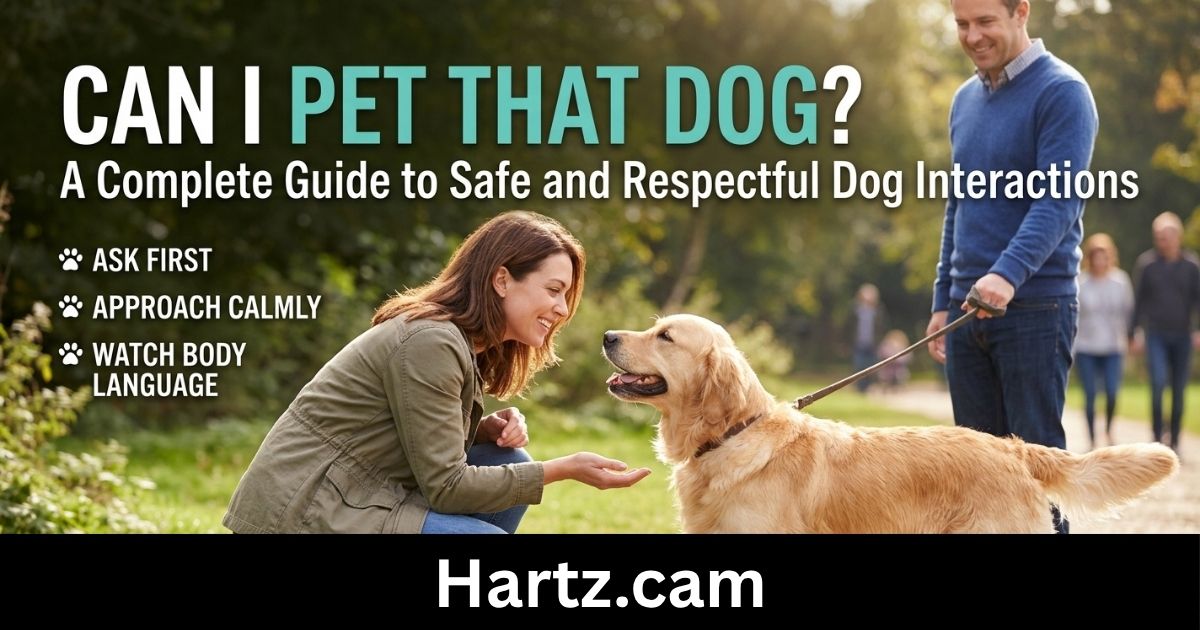
The safest approach is simple and polite. Stay a can i pet that dog reasonable distance away and ask the owner something such as, “Is your dog friendly?” or “Can I pet your dog?”
Wait for a clear response before approaching.
If the owner says yes, allow the dog to approach rather than immediately walking toward it with your hands extended. This gives the dog some can i pet that dog control over the interaction.
If the owner says no, simply smile, thank them, and give the dog space.
How to Tell If a Dog Wants to Be Petted
After receiving permission from the owner, pay attention to the dog’s body language.
A relaxed dog may have a loose body, natural posture, relaxed facial muscles, and a comfortable tail position. The dog may voluntarily approach you and show curiosity about your presence.
However, signs of discomfort can include backing away, hiding behind the owner, stiffening the body, turning the head away, licking the lips repeatedly, yawning in a stressful situation, or attempting to leave.
If the dog moves away, do not follow it. Giving the can i pet that dog animal space is often the best response.
The Right Way to Approach an Unfamiliar Dog
Approach Slowly
Avoid running toward a dog or making sudden movements. Walk calmly and allow the owner and dog to notice you before you get close.
A calm approach can help prevent unnecessary stress.
Avoid Staring Directly Into the Dog’s Eyes
A prolonged direct stare can be uncomfortable or threatening to some dogs. Instead, maintain relaxed awareness while allowing the dog to decide whether it wants to approach.
Let the Dog Sniff You
Dogs use their sense of smell to gather can i pet that dog information about people and their surroundings. If the owner gives permission, allow the dog to investigate you naturally.
You do not need to push your hand directly into the dog’s face. Simply remaining calm can give the dog an opportunity to approach and sniff if it wants to.
Where Should You Pet a Dog?
If the dog appears comfortable and the owner has given permission, gentle petting around the shoulders, chest, or side of the body is often a better starting point than reaching directly over the dog’s head.
Some dogs enjoy having their ears or head touched, but this varies considerably between individuals.
Avoid grabbing, hugging, climbing on, or restraining an unfamiliar dog. Even a normally friendly dog can react negatively if it feels can i pet that dog trapped.
Why Some Dogs Do Not Want to Be Petted
There are many reasons why a dog may avoid physical contact.
A dog may be naturally shy or anxious. It may have had a negative experience with strangers in the past. It could be tired, sick, injured, or overwhelmed by a busy environment.
Some dogs are also trained as working animals and may need to remain focused. A service dog, for example, should generally not be distracted while performing its duties.
Understanding these possibilities is an important part of pet wellness and responsible animal interaction.
Teaching Children to Ask Before Petting a Dog
Children are naturally can i pet that dog curious about animals, but they may not understand canine boundaries.
Parents and caregivers can teach children a simple rule: always ask before touching someone else’s dog.
Children should also learn not to chase dogs, pull tails or ears, take food away, climb on animals, or disturb dogs while they are eating or sleeping.
Young children should be supervised around unfamiliar animals. Even a gentle family dog can become uncomfortable if a child behaves unpredictably.
Can You Pet a Dog Without an Owner Present?
It is generally best not to approach or touch an unfamiliar dog when its owner is not present.
A loose dog may be frightened, injured, lost, or defensive. Even if the animal looks friendly, you cannot know its history or current condition.
If you encounter a loose dog, keep a safe distance and contact an appropriate local animal-control organization or other responsible authority if assistance is needed.
What If a Dog Approaches You First?
A dog approaching you does not automatically mean it wants to be touched.
Remain calm and allow the dog to investigate without making sudden movements. Look at its overall body language rather than can i pet that dog focusing on one feature such as the tail.
If the dog seems relaxed and its owner gives permission, you may be able to interact with it. If the dog appears nervous, stiff, or uncertain, give it space.
Can I Pet That Dog? Public Etiquette Matters
Good dog etiquette benefits both pets and people. When encountering a dog in public, avoid blocking its path or surrounding it with several people.
If other people are already interacting with the dog, wait rather than pushing into the group. Be particularly respectful when the dog is eating, resting, inside a vehicle, or being handled by a veterinarian or groomer.
A little patience can prevent an uncomfortable situation.
“Can I Pet That Dog?” and Pet Wellness
Safe social interactions can can i pet that dog contribute to positive experiences for dogs, but socialization does not mean forcing a dog to interact with everyone.
Healthy socialization allows dogs to become comfortable with different people, environments, sounds, and situations while respecting their individual boundaries.
Pet wellness includes physical health, nutrition, exercise, mental stimulation, rest, and emotional comfort. Respecting a dog’s personal space is part of that larger picture.
Frequently Asked Questions
Is it okay to pet a dog without asking?
No. It is better to ask the owner first. The dog may be nervous, injured, working, or uncomfortable around strangers.
What should I say before petting a dog?
A simple question such as “Can I pet your dog?” is appropriate. You can also ask whether the dog is comfortable meeting new people.
Does a wagging tail mean a dog wants to be petted?
Not necessarily. Tail movement should be considered together with the dog’s overall body language and posture.
Where is the safest place to pet an unfamiliar dog?
If the owner gives permission and the dog is comfortable, gentle petting around the shoulder, chest, or side is generally a good starting point. Avoid grabbing or restraining the dog.
Should children ask before petting a dog?
Yes. Children should always ask the owner and should be supervised when interacting with unfamiliar animals.
What should I do if a dog backs away from me?
Stop approaching and give the dog more space. Backing away can be a sign that the dog is uncomfortable or wants distance.
Can I pet a service dog?
Generally, you should not distract a service dog while it is working. Always follow the handler’s instructions and avoid interfering with the dog’s duties.
What if a dog is sleeping?
Leave it alone. Dogs should not be disturbed while sleeping, particularly by unfamiliar people or children.
Conclusion
So, can I pet that dog? The best answer is to ask first, then pay attention to the dog’s behavior. Permission from the owner is important, but the dog’s body language matters too.
Approaching calmly, allowing the dog to investigate you, avoiding unwanted physical contact, and respecting signs of discomfort can make encounters safer and more positive. These simple habits are valuable for children and adults alike.
Responsible dog interaction is ultimately about respect. Every dog has its own personality and boundaries, and giving animals the choice to participate in an interaction is an important part of promoting better pet wellness can i pet that dog and safer relationships between people and pets.