




Table of Contents
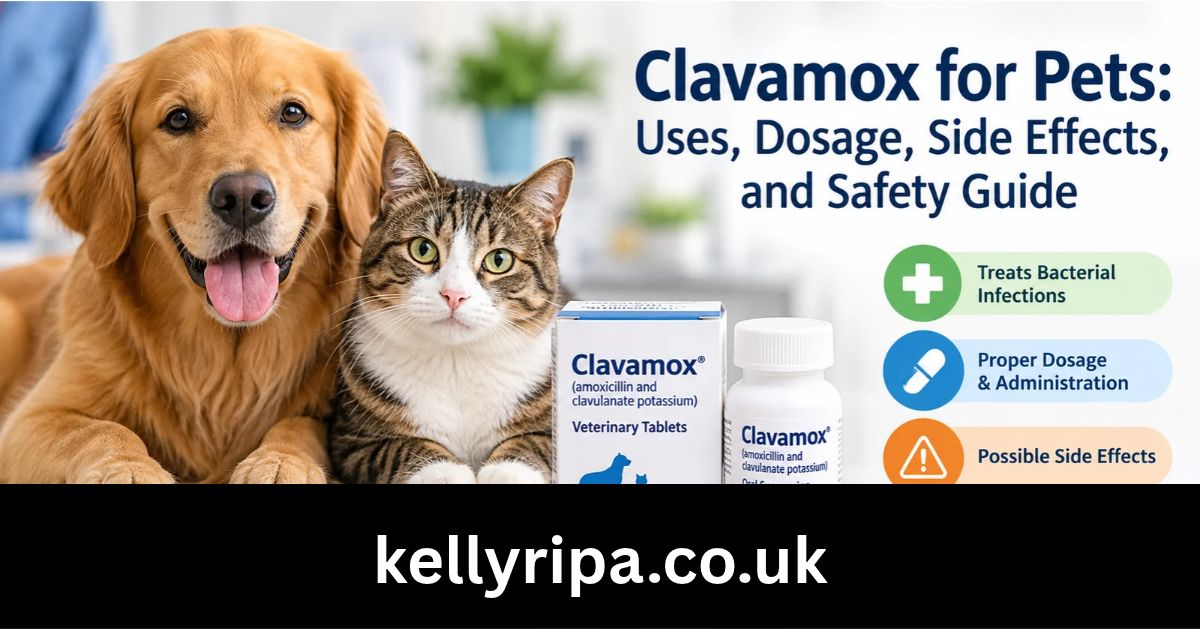
Clavamox is a prescription antibiotic commonly used in veterinary medicine to treat certain bacterial infections in dogs and cats. It combines two active ingredients, amoxicillin and clavulanate potassium, which work together to fight bacteria responsible for various infections. Veterinarians may prescribe Clavamox for skin infections, wounds, dental infections, and urinary tract infections when the medication is appropriate for the animal’s condition.
Understanding how Clavamox works, its potential side effects, and the precautions associated with its use can help pet owners care for their animals more confidently. However, this medication should only be administered under veterinary guidance because the correct treatment depends on the pet’s species, weight, diagnosis, and overall health.
What Is Clavamox?
Clavamox is a veterinary antibiotic containing two active ingredients: amoxicillin and clavulanic acid, commonly supplied as clavulanate potassium.
Amoxicillin belongs to the penicillin family of antibiotics. It works by interfering with the formation of bacterial cell walls, which bacteria need to survive. Clavulanate helps protect amoxicillin against certain enzymes produced by bacteria that would otherwise reduce its effectiveness.
Together, these ingredients can treat infections caused by susceptible bacteria that might not respond to amoxicillin alone.
Clavamox is commonly prescribed for dogs and cats. It is available in formulations designed for veterinary use, including tablets and oral suspensions.
Important: Clavamox treats certain bacterial infections, not viral illnesses. It is not effective against every type of bacteria, and a veterinarian must determine whether it is appropriate for a particular infection.
What Is Clavamox Used for in Dogs and Cats?
Veterinarians may prescribe Clavamox for several types of bacterial infections. The decision depends on the infection’s location, severity, likely bacterial cause, and the animal’s medical history.
1. Skin Infections
Dogs and cats can develop bacterial skin infections following injuries, excessive scratching, allergies, or other skin conditions.
Symptoms may include redness, swelling, scabs, irritated skin, discharge, or areas of hair loss. In some cases, a veterinarian may prescribe Clavamox to treat an infection caused by susceptible bacteria.
Antibiotics do not eliminate the underlying cause of every skin problem. For example, allergies, parasites, and fungal infections may require different treatments.
2. Wounds and Abscesses
Bite wounds, scratches, and other injuries can introduce bacteria beneath the skin. These injuries sometimes develop into abscesses, which are pockets of infected material.
Clavamox may be prescribed for certain infected wounds and abscesses in dogs and cats.
However, antibiotics alone may not be sufficient. Some wounds require cleaning, drainage, or additional veterinary treatment. Deep bite wounds should be evaluated promptly because their external appearance may underestimate the damage beneath the skin.
3. Dental and Oral Infections
Dental disease can lead to inflammation and bacterial infection around the teeth and gums. In selected cases, veterinarians may prescribe Clavamox as part of the treatment plan.
Nevertheless, antibiotics do not remove tartar or repair damaged teeth. Dental cleaning, extraction, or other procedures may be necessary to address the underlying problem.
4. Urinary Tract Infections
Certain bacterial urinary tract infections may respond to when the bacteria are susceptible to its active ingredients.
Possible symptoms include frequent urination, straining, accidents indoors, or blood in the urine.
These symptoms can also indicate other conditions, including bladder stones and urinary obstruction. A veterinarian may recommend a urine test and bacterial culture to determine the cause and select an appropriate antibiotic.
Emergency warning: A cat, particularly a male cat, that repeatedly strains to urinate but produces little or no urine needs immediate veterinary attention. Urinary obstruction can become life-threatening.
5. Other Susceptible Bacterial Infections
Depending on the diagnosis and the bacteria involved, veterinarians may consider for other infections when its approved uses or appropriate veterinary guidance support treatment.
It should not be used automatically whenever a pet appears unwell. The medication must be suitable for the suspected or confirmed bacterial infection.
How Does Clavamox Work?
combines two ingredients that serve complementary purposes.
Amoxicillin: This antibiotic interferes with bacterial cell-wall formation, weakening susceptible bacteria and preventing them from growing normally.
Clavulanate: Some bacteria produce beta-lactamase enzymes that can break down certain antibiotics, including amoxicillin. Clavulanate inhibits some of these enzymes, allowing amoxicillin to remain effective against susceptible bacteria that produce them.
This combination expands the range of bacteria the medication can treat compared with amoxicillin alone.
However, some bacteria remain resistant to the combination. A veterinarian may recommend laboratory testing when the infection is severe, recurrent, or not responding to initial treatment.
Clavamox Dosage for Dogs and Cats
The correct dosage depends on the animal’s weight, species, infection, formulation, and individual health circumstances.
Veterinarians determine the appropriate dose and treatment duration using the product’s prescribing information and the pet’s clinical needs.
Factors That Affect Dosage
Several considerations influence the treatment plan:
- Body weight: The amount prescribed is generally calculated according to the animal’s weight.
- Type of infection: Different infections may require different treatment approaches.
- Severity: More complicated infections may require additional investigation or treatment.
- Kidney function: Impaired kidney function can affect how the medication is eliminated.
- Product formulation: Tablets and liquid suspensions have different concentrations and must be measured correctly.
- Response to treatment: The veterinarian may reassess the treatment if symptoms fail to improve.
Never calculate a dose using another animal’s prescription or assume that a human amoxicillin product is interchangeable with veterinary.
How to Give Clavamox Safely
Follow the prescription label carefully. Give each dose at the prescribed time and use the supplied measuring device for liquid medication.
is often administered with food to help reduce stomach upset, but you should follow the instructions provided for your pet’s specific formulation.
If your pet spits out a tablet, vomits after receiving a dose, or misses a dose, contact your veterinarian for advice. Do not automatically repeat a dose because you may accidentally give too much medication.
Do not stop treatment early or extend it without veterinary guidance.
Common Clavamox Side Effects
Most pets tolerate reasonably well, but side effects can occur.
1. Vomiting
Some dogs and cats experience nausea or vomiting after taking antibiotics. Giving the medication with food, when permitted by the prescription instructions, may help reduce stomach irritation.
Contact your veterinarian if vomiting continues or your pet cannot keep water or medication down.
2. Diarrhea
Diarrhea or softer stools can occur because antibiotics may affect the normal balance of bacteria in the digestive tract.
Monitor your pet’s stool and hydration. Severe or persistent diarrhea, bloody stools, or diarrhea accompanied by weakness requires veterinary attention.
3. Reduced Appetite
Some pets eat less while taking because of nausea or other digestive discomfort.
If your pet refuses food, becomes unusually tired, or develops additional symptoms, seek veterinary advice rather than assuming the reaction is harmless.
4. Drooling or Discomfort
Cats may drool or resist medication administration because of the taste or texture of a tablet or liquid. However, excessive drooling, facial swelling, or breathing difficulties should not be dismissed as a normal reaction.
When to Seek Emergency Care
Although uncommon, serious allergic reactions can occur.
Seek immediate veterinary care if your pet develops:
- Difficulty breathing.
- Swelling of the face, lips, or tongue.
- Collapse or sudden severe weakness.
- A rapidly developing widespread allergic reaction.
If an allergic reaction is suspected, do not give another dose until a veterinarian has assessed the situation.
Precautions Before Giving Clavamox
Before prescribing, your veterinarian should know about your pet’s medical history, current medications, and previous reactions to antibiotics.
Penicillin Allergies
contains amoxicillin, a penicillin-family antibiotic. Tell your veterinarian if your pet has previously reacted to penicillin or related antibiotics.
A history of serious allergic reactions may make this medication inappropriate.
Pregnancy and Nursing
If your pet is pregnant or nursing, inform your veterinarian before treatment. The veterinarian can assess the potential benefits and risks based on the animal’s condition and the available product information.
Kidney Problems
Pets with kidney disease may require particular consideration because kidney function affects the elimination of amoxicillin.
Never adjust the dose independently if your pet has kidney problems.
Other Medications
Tell your veterinarian about every medication and supplement your pet receives. Certain medications may affect the treatment plan or require additional monitoring.
Do not combine antibiotics or use leftover medication without professional advice.
How Long Does Take to Work?
The time required for Clavamox to produce noticeable improvement depends on the infection and the animal’s response.
Some pets begin showing improvement within a few days, while more complicated infections may take longer to respond.
Even if your dog or cat seems better, continue following the prescribed treatment plan unless your veterinarian changes it.
If symptoms worsen or do not improve within the timeframe your veterinarian recommends, arrange a reassessment. The infection may involve resistant bacteria, require a different antibiotic, or need additional treatment.
How Should Be Stored?
Proper storage helps maintain the medication’s quality.
Tablets
Store tablets according to the manufacturer’s instructions, generally in their original packaging and away from excessive heat and moisture.
Keep the medication out of reach of children and animals.
Oral Suspension
Liquid usually requires refrigeration after preparation, but you should follow the storage instructions supplied with the exact product.
The prepared suspension has a limited usable period. Check the dispensing label for its discard date, and do not use it beyond that date even if some liquid remains.
Do not freeze the suspension unless the product instructions specifically permit it.
Ask your pharmacist or veterinarian how to dispose of unused medication safely.
Clavamox for Dogs vs. Clavamox for Cats
is used in both dogs and cats, but the diagnosis, dose, formulation, and monitoring requirements may differ.
| Feature | Clavamox for Dogs | Clavamox for Cats |
|---|---|---|
| Common uses | Selected skin, wound, dental, and other susceptible bacterial infections | Selected skin, wound, dental, and other susceptible bacterial infections |
| Formulations | Veterinary tablets and oral suspension | Veterinary tablets and oral suspension |
| Dosage | Determined by weight, diagnosis, and veterinary instructions | Determined by weight, diagnosis, and veterinary instructions |
| Potential side effects | Vomiting, diarrhea, reduced appetite, allergic reactions | Vomiting, diarrhea, reduced appetite, allergic reactions |
| Important precaution | Avoid using another pet’s prescription | Avoid using another pet’s prescription |
The table provides general information, not a dosing guide. A veterinarian must determine whether this antibiotic is suitable for an individual dog or cat.
Frequently Asked Questions About Clavamox
1. Is Clavamox safe for dogs?
Clavamox is commonly prescribed to dogs for certain bacterial infections. It can cause side effects and may be unsuitable for animals with particular allergies or medical conditions. Use it only under veterinary direction.
2. Can cats take Clavamox?
Yes. Veterinarians prescribe Clavamox for cats when the infection is likely to respond to the medication. The dose and formulation must be appropriate for the individual cat.
3. Does Clavamox require a prescription?
Clavamox is a veterinary prescription antibiotic in markets where it is approved as a prescription medicine. Obtain it through an appropriate veterinary professional and follow local regulations.
4. Can Clavamox cause diarrhea?
Yes. Diarrhea and other digestive problems are possible side effects. Contact your veterinarian if symptoms are severe, persistent, or accompanied by dehydration, blood in the stool, or unusual weakness.
5. Can I stop Clavamox when my pet feels better?
Do not stop or change the prescribed course without consulting your veterinarian. Stopping early may allow the infection to persist or return, while unnecessary antibiotic exposure can contribute to antimicrobial resistance.
6. What should I do if I miss a dose?
Follow the instructions on your prescription label or contact your veterinarian for advice. Do not give an extra dose or double the next dose unless specifically instructed by a veterinary professional.
7. Can Clavamox treat every infection?
No. Clavamox treats certain susceptible bacterial infections. It does not treat viral illnesses, fungal infections, or every type of bacterial infection. The correct treatment depends on the cause of the illness.
8. What if my pet vomits after taking Clavamox?
Contact your veterinarian if your pet vomits after a dose, particularly if vomiting repeats or your pet appears unwell. Ask whether the dose should be repeated rather than administering additional medication on your own.
Conclusion
Clavamox is an important veterinary antibiotic that combines amoxicillin and clavulanate to treat selected bacterial infections in dogs and cats. Depending on the diagnosis, veterinarians may prescribe it for certain skin infections, wounds, abscesses, dental infections, and urinary tract infections.
Although many pets tolerate this medication well, vomiting, diarrhea, reduced appetite, and allergic reactions are possible. Correct dosing, appropriate storage, and veterinary monitoring help reduce avoidable risks.
The safest approach is to use Clavamox only when prescribed for your pet, follow the treatment instructions carefully, and report concerning symptoms promptly. Responsible antibiotic use supports your pet’s recovery while helping reduce the development of antibiotic resistance.