






Table of Contents
Introduction
Vetsulin is a veterinary insulin medication used to help manage diabetes mellitus in dogs and cats. Diabetes occurs when the body cannot produce enough insulin or use it effectively, causing glucose (sugar) to build up in the bloodstream. Without appropriate treatment, this condition can affect a pet’s energy, weight, appetite, hydration, and overall health.
Understanding Vetsulin is important for pet owners whose dogs or cats have been diagnosed with diabetes. With veterinary guidance, consistent feeding routines, careful insulin administration, and regular monitoring, many diabetic pets can maintain a comfortable and active life. This guide explains how the medication works, how it is administered, possible side effects, storage requirements, and practical tips for responsible pet care.
What Is Vetsulin?
Vetsulin is a porcine-origin insulin zinc suspension used to control blood glucose levels in diabetic dogs and cats. It contains insulin derived from pigs, which has a structure similar to canine insulin. It is a prescription veterinary medication and should only be used according to a veterinarian’s instructions.
The purpose of is to replace or supplement the insulin a diabetic pet cannot produce adequately. Insulin helps glucose move from the bloodstream into cells, where it can be used for energy. By improving glucose regulation, treatment can help reduce excessive thirst, frequent urination, unexplained weight loss, and other symptoms associated with diabetes.
Although insulin can significantly improve a pet’s quality of life, it does not eliminate the need for ongoing diabetes management. Diet, exercise, monitoring, and veterinary appointments remain essential.
How Does Vetsulin Work?
Insulin helps the body regulate blood sugar. After a pet eats, carbohydrates are broken down into glucose, which enters the bloodstream. Insulin allows many body cells to use that glucose and helps prevent blood sugar from remaining excessively high.
In diabetic pets, this process does not work properly. Vetsulin supplies insulin that helps the body manage circulating glucose more effectively.
Its effects develop over time after injection, and the timing and duration of action can vary between individual animals. This is why veterinarians may recommend blood glucose curves, continuous glucose monitoring when appropriate, or other assessments to determine whether a treatment plan is working.
The goal is not simply to achieve a particular blood glucose reading. Treatment should also improve clinical signs while minimizing the risk of hypoglycemia, a potentially dangerous drop in blood sugar.
Which Pets May Need Vetsulin?
Vetsulin for Dogs
Dogs with diabetes mellitus often require long-term insulin treatment. Common signs include increased thirst, frequent urination, increased hunger, weight loss despite eating, and reduced energy.
A veterinarian may prescribe after confirming the diagnosis and evaluating the dog’s overall health. Regular monitoring helps determine whether the prescribed dose and feeding routine are appropriate
Vetsulin for Cats
Cats can also develop diabetes, particularly as they grow older or experience risk factors such as obesity. Symptoms may include increased thirst, frequent urination, weight loss, and changes in activity.
Vetsulin is an option for managing feline diabetes, but treatment decisions depend on the individual cat’s health and response. Some cats may achieve diabetic remission with appropriate management, although remission is not guaranteed and does not mean the condition can never return.
Cats need continued veterinary supervision even when their blood glucose improves significantly.
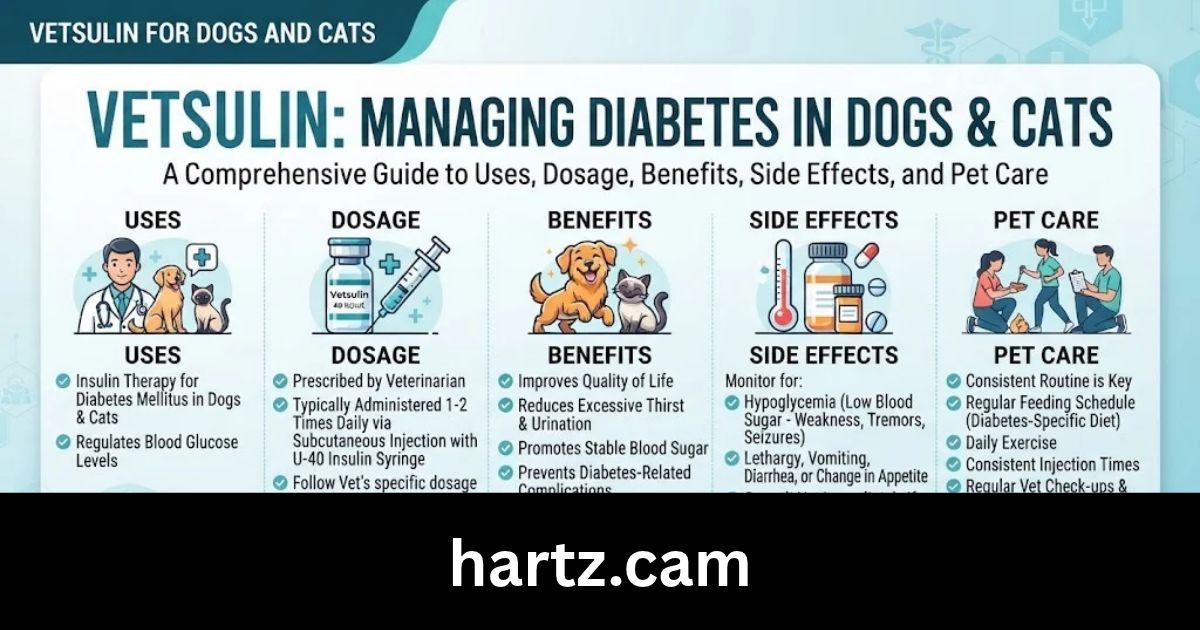
Recommended Vetsulin Dosage and Administration
The correct insulin dose depends on the pet’s species, weight, blood glucose readings, eating habits, and response to treatment. Never calculate or change an insulin dose without veterinary guidance.
How Much Vetsulin Do Dogs Need?
The official prescribing information recommends an initial dose for dogs that is determined by body weight, with administration initially once daily alongside or immediately after a meal. Some dogs require twice-daily treatment when monitoring shows that the insulin does not provide sufficient coverage. The veterinarian determines the appropriate schedule and adjustments.
How Much Vetsulin Do Cats Need?
The labeled initial dose for cats is generally 1–2 international units per injection, administered approximately every 12 hours. The veterinarian may adjust the dose based on blood glucose monitoring and clinical signs.
These are general label recommendations, not instructions for treating an individual animal. Vetsulin doses must be personalized by a veterinarian.
How to Give the Injection Safely
Vetsulin is administered under the skin, not into a muscle or vein. Your veterinarian should demonstrate the injection technique before you administer it at home.
Follow these safety steps:
- Gently shake the vial thoroughly until the suspension looks uniformly milky.
- Use the prescribed U-40 insulin syringe or the compatible veterinary insulin pen.
- Check the prescribed dose carefully before injecting.
- Give the injection at the recommended time in relation to feeding.
- Rotate injection sites as instructed by your veterinarian.
- Dispose of used needles and syringes in an appropriate sharps container.
Using the wrong syringe concentration can cause a serious dosing error. Never substitute equipment without confirming compatibility.
Benefits of Vetsulin for Pet Wellness
When used correctly, Vetsulin can help diabetic pets maintain healthier blood glucose levels and feel better.
Improved Diabetes Symptoms
Effective treatment may reduce excessive thirst, frequent urination, increased hunger, and diabetes-related weight loss. Some pets also become more energetic as their condition improves.
Better Daily Comfort
Consistent diabetes management helps pets maintain their normal activities, including walking, playing, grooming, and interacting with their families.
Support for Long-Term Health
Regular monitoring and appropriate insulin treatment can reduce complications associated with poorly controlled diabetes. However, Vetsulin does not guarantee that every pet will achieve ideal glucose control, and additional medical problems may affect treatment outcomes.
Possible Side Effects of Vetsulin
Like other insulin medications, Vetsulin can cause adverse effects. The most important risk is hypoglycemia, meaning blood glucose becomes dangerously low.
Signs of Low Blood Sugar
Watch for symptoms such as:
- Weakness or unusual tiredness
- Trembling or muscle twitching
- Confusion or unusual behavior
- Poor coordination or difficulty walking
- Seizures or loss of consciousness
Severe hypoglycemia is a veterinary emergency. If your pet develops these symptoms, contact an emergency veterinarian immediately. If the animal is conscious and able to swallow safely, follow your veterinarian’s emergency instructions regarding an appropriate glucose source. Never put food, liquid, or syrup into the mouth of an unconscious or seizing animal.
Other Potential Problems
Some pets may experience injection-site reactions or allergic responses. Changes in appetite, vomiting, or lethargy can also signal a serious underlying problem rather than a routine medication side effect.
If your pet refuses food, vomits, or becomes unusually weak, seek veterinary advice before administering the next dose. Do not independently increase, decrease, or discontinue Vetsulin.
How to Store Correctly
Proper storage helps maintain medication quality and effectiveness.
- Keep Vetsulin refrigerated at 2°C–8°C (36°F–46°F).
- Do not freeze the medication.
- Protect it from direct light.
- Keep the container upright when storing the vial.
- Follow the product label regarding its usable period after the first puncture; the US label specifies 42 days.
- Discard medication that has been frozen, improperly stored, or otherwise compromised according to veterinary or manufacturer guidance.
Before each use, check the suspension’s appearance and follow the official handling instructions. If it does not become uniformly milky after thorough shaking or looks abnormal, contact your veterinarian or pharmacist before using it.
Feeding, Exercise, and Monitoring During Treatment
Insulin works best as part of a consistent daily routine. Feed your pet according to the schedule recommended by your veterinarian, and avoid sudden changes in food quantity, diet, or activity without discussing their potential effects on glucose control.
Dogs generally benefit from regular, predictable exercise. Cats benefit from suitable play and weight management. A veterinarian may recommend a specific diet based on body condition, other illnesses, and individual nutritional needs.
Keep a daily record of meals, injections, water consumption, urination, appetite, activity, and any unusual symptoms. This information helps your veterinarian evaluate how well is working.
Blood glucose curves, home glucose testing, continuous glucose monitoring when appropriate, and fructosamine testing may help assess diabetes control. The veterinarian will determine which tests are useful and how frequently they should be performed.
When Should You Contact a Veterinarian?
Contact your veterinarian if your pet continues to drink excessively, urinates frequently, loses weight, or seems unusually hungry despite treatment. These signs may indicate that diabetes is not adequately controlled.
Seek urgent veterinary care if your pet experiences repeated vomiting, severe lethargy, collapse, seizures, or difficulty breathing. These symptoms may indicate severe hypoglycemia, diabetic ketoacidosis, or another emergency.
Never change the dose of based on a single glucose reading without professional guidance. Tell your veterinarian about every medication and supplement your pet receives because some medicines can affect glucose regulation.
Frequently Asked Questions About
1. What is used for?
is a prescription insulin medication used to reduce high blood glucose and associated symptoms in dogs and cats with diabetes mellitus.
2. Can dogs and cats both receive Vetsulin?
Yes. Vetsulin is approved for use in dogs and cats in the United States. The dose and treatment schedule differ by species and individual response.
3. How quickly does Vetsulin work?
Its effects can begin within hours, but the onset, peak activity, and duration vary among animals. Your veterinarian uses monitoring results and clinical signs to evaluate its effectiveness.
4. What happens if a pet misses a dose?
Contact your veterinarian for instructions. Do not automatically double the next dose or give extra insulin to compensate for a missed injection.
5. Does Vetsulin need refrigeration?
Yes. The US product label instructs owners to refrigerate at 2°C–8°C, protect it from light, and avoid freezing it.
6. Can Vetsulin cause low blood sugar?
Yes. Hypoglycemia is a major potential adverse effect. Weakness, trembling, unusual behavior, poor coordination, and seizures require immediate attention.
7. Can a diabetic cat stop needing Vetsulin?
Some diabetic cats achieve remission, particularly when diabetes is managed effectively, but remission is not guaranteed. Any reduction or discontinuation must be guided by a veterinarian and appropriate glucose monitoring.
8. Can I adjust Vetsulin myself?
No. Changes in insulin dose or frequency can cause dangerous blood glucose fluctuations. Always consult your veterinarian before making treatment changes.
Conclusion
Vetsulin is an important treatment option for dogs and cats living with diabetes mellitus. When combined with consistent feeding, careful injections, appropriate exercise, and regular veterinary monitoring, it can help improve symptoms and support a better quality of life.
Pet owners should understand proper handling, recognize warning signs of low blood sugar, and maintain a reliable daily routine. Because every animal responds differently, veterinary supervision is essential throughout treatment. With attentive care and a personalized management plan, many diabetic pets can continue enjoying comfortable, active lives.