







Table of Contents
Introduction
Taking care of a pet involves more than providing food, shelter, and affection. Dogs and cats also need regular veterinary checkups, vaccinations, emergency treatments, and protection against unexpected illnesses. However, veterinary expenses can become expensive, especially when a pet requires surgery, hospitalization, or long-term medical treatment. This is where ASPCA insurance can help pet owners manage unexpected healthcare costs.
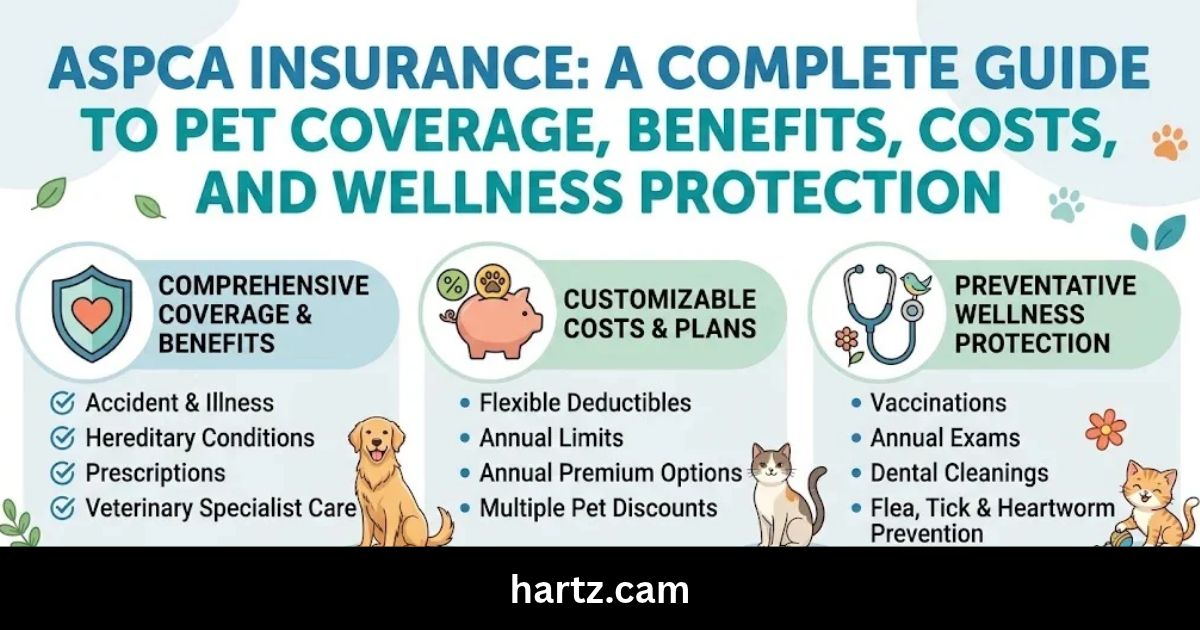
ASPCA Pet Health Insurance provides customizable insurance options designed to help pet parents pay for eligible veterinary expenses. Depending on the selected plan, coverage may include accidents, illnesses, dental diseases, behavioral problems, and certain preventive healthcare services.
Understanding how ASPCA insurance works, what it covers, and how claims are processed can help pet owners decide whether it is the right choice for their animals.
What Is ASPCA Insurance?
ASPCA insurance is a pet health insurance program associated with the American Society for the Prevention of Cruelty to Animals (ASPCA). It is designed to help dog and cat owners manage the financial responsibilities of veterinary care.
The program offers different coverage options, allowing customers to select protection based on their pets’ healthcare needs and household budgets.
Unlike a traditional wellness membership that mainly focuses on routine checkups, pet insurance can help cover eligible expenses resulting from unexpected accidents and illnesses.
Some important features include:
- Accident and illness coverage.
- Optional preventive care benefits.
- Coverage for eligible diagnostic tests and treatments.
- Customizable deductibles and reimbursement percentages.
- Access to licensed veterinarians and specialists in the United States and Canada.
- Online and mobile claim submission.
It is important to understand that the ASPCA itself is not an insurance company. The pet insurance program operates through insurance and administrative partners.
How Does ASPCA Insurance Work?
Understanding the insurance process is important before purchasing a policy. ASPCA insurance generally follows a reimbursement-based system, meaning pet owners usually pay their veterinarian first and then submit a claim for eligible expenses.
The process involves three main steps.
1. Visit a Veterinarian
Pet owners can take their animals to a licensed veterinary clinic of their choice. The program allows eligible treatment at participating locations across the United States and Canada without requiring owners to use a particular veterinary network.
2. Submit a Claim
After receiving treatment, customers can submit their veterinary invoices through the online Member Center or the My Pet Insurance mobile application.
The claim should include the necessary documents and information about the treatment. Additional medical records may be requested when required.
3. Receive Reimbursement
Once the claim has been reviewed and approved, the insurance provider reimburses the eligible portion of the veterinary expenses.
Payments may be received through direct deposit or a mailed check, depending on the selected payment method.
The final reimbursement depends on the policy’s deductible, reimbursement percentage, annual coverage limit, and applicable exclusions.
What Does ASPCA Insurance Cover?
One of the most important considerations when choosing pet insurance is understanding the available coverage.
ASPCA insurance offers several benefits through its accident-only and accident-and-illness coverage options.
Accident Coverage
Accidents can happen unexpectedly, even when pets live in a safe environment. A dog might swallow a foreign object, while a cat could suffer an injury after falling.
Eligible accident-related treatments may include:
- Broken bones.
- Cuts and wounds.
- Animal bites.
- Swallowed objects.
- Toxic substance ingestion.
- Diagnostic imaging.
- Emergency surgery.
- Hospitalization and prescribed medications.
Accident coverage can help reduce the financial pressure associated with unexpected veterinary emergencies.
Illness Coverage
Pets can develop different health conditions throughout their lives. Some illnesses require regular monitoring, diagnostic testing, medication, or specialized treatment.
Depending on the selected policy, eligible illnesses may include cancer, arthritis, digestive problems, urinary tract infections, ear infections, and certain other medical conditions.
Having appropriate insurance coverage can make it easier for pet owners to focus on treatment rather than worrying entirely about veterinary expenses.
Dental Disease Coverage
Dental health is an important part of overall pet wellness. Dogs and cats can experience gum disease, dental infections, and other oral health problems.
ASPCA insurance includes coverage for certain eligible dental diseases and related treatments. However, routine dental cleaning and elective dental procedures may have different coverage requirements.
Pet owners should review their policy documents to understand which dental services qualify.
Behavioral Issues
Some pets develop behavioral problems that require professional attention. Depending on the policy, eligible behavioral conditions and treatments may be covered.
This can be helpful when an animal needs veterinary evaluation or treatment for certain behavioral concerns.
Diagnostic Testing and Treatment
Veterinarians frequently use diagnostic procedures to identify medical problems. Depending on the covered condition, eligible expenses may include blood tests, X-rays, ultrasounds, MRI scans, medications, and surgical procedures.
These services can play an important role in identifying health conditions early and providing appropriate treatment.
ASPCA Preventive Care and Wellness Coverage
Preventive healthcare helps pets remain healthy and reduces the risk of certain medical problems. Regular veterinary visits allow professionals to monitor an animal’s development, weight, dental health, and general condition.
ASPCA offers optional preventive care coverage that can be added to an eligible base insurance plan.
Basic Preventive Care
The Basic option can help reimburse certain routine veterinary services, including:
- Annual wellness examinations.
- Dental cleaning.
- Deworming.
- Other eligible preventive services.
Prime Preventive Care
The Prime option offers additional preventive care benefits. Depending on the applicable benefit schedule, it can include services such as spaying or neutering and health certificates.
Both options have specific reimbursement limits for individual services.
Preventive care coverage does not work exactly like accident and illness insurance. Instead, it provides fixed reimbursement amounts for eligible routine services. It generally does not require meeting the standard accident-and-illness deductible.
Understanding ASPCA Insurance Costs
The cost of pet insurance depends on several factors. There is no single monthly price that applies to every dog or cat.
The final premium can vary according to:
- Pet species and breed.
- Age of the animal.
- Residential location.
- Selected coverage.
- Annual deductible.
- Reimbursement percentage.
- Annual coverage limit.
Younger pets may sometimes qualify for lower premiums, although pricing depends on several underwriting factors.
Annual Deductible
A deductible is the amount customers must pay toward eligible expenses before insurance reimbursement begins.
ASPCA insurance offers deductible options that include $100, $250, and $500, although availability can depend on the policy.
Choosing a higher deductible may reduce the monthly premium but increases the amount the customer must pay before receiving reimbursement.
Reimbursement Percentage
The reimbursement percentage determines how much of the eligible covered expenses the insurance provider pays after the deductible is satisfied.
Available options include 70%, 80%, and 90%.
For example, if a covered expense is $1,000 and the deductible has already been satisfied, an 80% reimbursement rate would generally result in an $800 reimbursement, subject to policy terms and remaining annual limits.
Annual Coverage Limit
The annual coverage limit is the maximum reimbursement available during a 12-month policy period.
ASPCA insurance offers different annual limit options, including unlimited coverage on eligible plans.
Choosing an appropriate annual limit is important because major surgeries and long-term treatments can become expensive.
What Does ASPCA Insurance Not Cover?
Although pet insurance can provide valuable financial protection, it does not cover every veterinary expense.
Understanding exclusions before purchasing a policy can help prevent unexpected problems when submitting claims.
Common exclusions include:
Pre-existing conditions: Medical problems that existed before coverage started or developed during an applicable waiting period are generally excluded. Certain curable conditions may become eligible again after 180 days without symptoms or treatment, subject to policy exceptions.
Cosmetic procedures: Elective procedures such as tail docking and ear cropping are generally excluded.
Breeding expenses: Costs associated with breeding, pregnancy, and related services are not generally covered.
Routine preventive care: Standard wellness services are not included in the base accident-and-illness plan unless the appropriate preventive care coverage is added.
Other excluded expenses: Grooming, boarding, and certain elective or experimental treatments may not qualify for reimbursement.
The complete list of exclusions depends on the actual policy and applicable endorsements.
Waiting Periods and Eligibility
Waiting periods determine how long customers must wait before certain insurance benefits become active.
ASPCA insurance applies waiting periods to its base coverage. Its published customer information states that standard base-plan coverage generally starts on the 15th day after the policy effective date, while preventive care coverage starts the following day.
Certain conditions may have additional waiting periods or special requirements.
Pet owners should carefully review their policy documents because waiting periods can vary according to the coverage, state regulations, and applicable policy terms.
Purchasing insurance before a pet develops health problems can help provide better protection against eligible future conditions.
How to Submit an ASPCA Insurance Claim
Submitting a claim is an important part of using pet insurance. The process is designed to allow customers to request reimbursement after their animals receive veterinary treatment.
Follow these steps:
- Take your pet to a licensed veterinarian.
- Pay the veterinary bill according to the clinic’s payment requirements.
- Collect the invoice and necessary medical documentation.
- Sign in to the ASPCA insurance Member Center or mobile application.
- Submit the claim with the required information.
- Monitor the claim status while it is being reviewed.
- Receive reimbursement for approved eligible expenses.
Customers should submit claims within the applicable filing deadline. The program’s published FAQ currently states that claims should generally be submitted within 270 days of the veterinary visit.
Keeping copies of veterinary invoices and medical records can make the process easier.
Benefits of Choosing ASPCA Insurance
There are several reasons pet owners may consider ASPCA insurance when comparing available pet healthcare options.
Flexible Coverage Options
Customers can select different deductible, reimbursement, and annual limit combinations according to their financial circumstances.
Freedom to Choose Veterinarians
Eligible policyholders can visit licensed veterinary clinics and specialists in the United States and Canada.
Accident and Illness Protection
The available coverage can help with eligible expenses related to unexpected injuries and medical conditions.
Optional Wellness Benefits
Preventive care coverage provides additional reimbursement opportunities for certain routine veterinary services.
Convenient Claim Management
Online account management and the mobile application allow customers to submit claims and monitor their insurance information.
Is ASPCA Insurance Worth It?
Whether ASPCA insurance is worthwhile depends on a pet owner’s financial situation, the animal’s age, health history, and expected veterinary expenses.
For households that want protection against unexpected medical costs, accident-and-illness insurance may provide valuable financial support.
It can be particularly useful for owners who would struggle to pay a large emergency veterinary bill immediately.
However, customers should compare monthly premiums, deductibles, annual limits, exclusions, and reimbursement rates before making a decision.
It is also worth comparing several providers because coverage details and prices can vary significantly.
The best insurance plan is not necessarily the cheapest one. It is the plan that offers suitable protection without creating unnecessary financial pressure.
Frequently Asked Questions (FAQs)
1. What Is ASPCA Insurance?
ASPCA insurance is a pet health insurance program that offers customizable coverage options for dogs and cats. Depending on the selected plan, it can help reimburse eligible expenses related to accidents, illnesses, and certain preventive services.
2. Does ASPCA Insurance Cover Routine Veterinary Visits?
Routine wellness services are not generally included in the base accident-and-illness plan. However, customers can add optional preventive care coverage for eligible services such as annual wellness examinations and certain vaccinations.
3. Does ASPCA Insurance Cover Pre-Existing Conditions?
Generally, no. Pre-existing conditions are excluded. However, certain curable conditions may become eligible after 180 days without symptoms or treatment, subject to policy exceptions.
4. Can I Choose My Own Veterinarian?
Yes. Eligible policyholders can generally visit any licensed veterinary clinic or specialist in the United States and Canada.
5. How Do I Get Reimbursed?
Customers usually pay their veterinarian first and then submit an insurance claim through the online Member Center or mobile application. Approved claims are reimbursed according to the policy terms.
6. Does ASPCA Insurance Cover Cats and Dogs?
Yes. The program offers insurance coverage options for both cats and dogs, with benefits depending on the selected policy.
7. Is Preventive Care Included in Every Plan?
No. Preventive care coverage is optional and must be added to an eligible base insurance plan. It provides scheduled reimbursement amounts for specific routine healthcare services.
Conclusion
ASPCA insurance can be a useful option for pet owners who want additional financial protection against unexpected veterinary expenses. Its coverage options include accidents, illnesses, certain dental diseases, behavioral conditions, and optional preventive healthcare benefits.
Understanding deductibles, reimbursement percentages, annual limits, waiting periods, and exclusions is essential before purchasing a policy.
Every pet has different healthcare requirements, so owners should compare available insurance options and carefully review the policy documents. With the right coverage, responsible budgeting, and regular veterinary visits, pet parents can make more informed decisions about protecting their animals’ long-term health and well-being.