






Table of Contents
Introduction
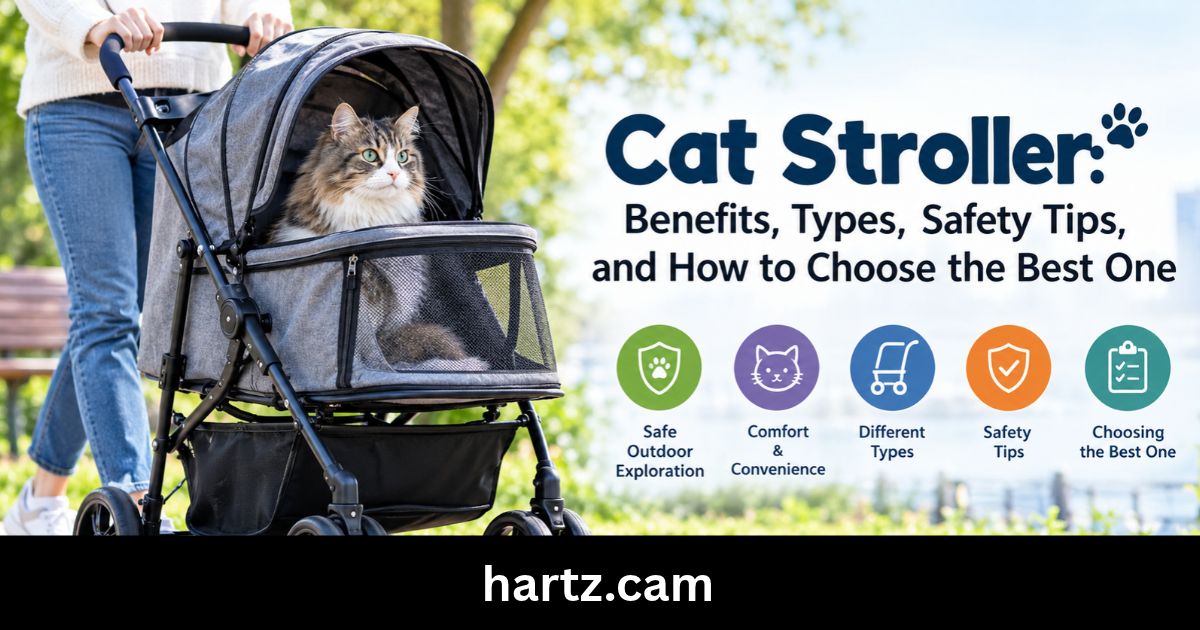
A cat stroller is a convenient way to take your feline companion outdoors while keeping them secure and comfortable. Whether you want to enjoy a peaceful walk, visit a pet-friendly park, or help an older cat experience fresh air, a cat stroller can make outdoor adventures easier for both you and your pet.
Unlike traditional pet carriers, cat strollers usually feature wheels, a covered compartment, breathable mesh panels, and safety attachments. They allow cats to observe their surroundings without walking directly on unfamiliar ground. For indoor cats, senior felines, and pets with limited mobility, a cat stroller can offer a practical way to explore the outdoors safely.
Choosing the right stroller involves considering your cat’s size, personality, health, and comfort. Understanding the available designs and essential safety features can help you find a suitable option for your pet’s needs.
What Is a Cat Stroller?
A cat stroller is a wheeled carrier designed to transport cats during outdoor walks and other short trips. Most models include a supportive base, an enclosed or partially enclosed cabin, mesh windows, and a handle for pushing the stroller.
Some cat strollers resemble baby strollers, while others look like compact rolling pet carriers. Certain designs fold for convenient storage, and others include removable carriers that can be used separately.
Cat strollers are especially useful for pets that enjoy watching the outdoors but may become frightened by traffic, unfamiliar animals, or crowded environments. The enclosed compartment provides a familiar space where cats can observe their surroundings without being directly exposed to potential hazards.
Benefits of Using a Cat Stroller
1. Provides Safe Outdoor Exploration
Cats are naturally curious and often enjoy observing birds, trees, people, and moving objects. However, outdoor environments can expose them to traffic, aggressive animals, parasites, and other dangers.
A cat stroller creates a physical barrier between your pet and many outdoor hazards. With secure closures and an appropriate harness attachment, it can help reduce the risk of your cat escaping during a walk.
However, a stroller does not eliminate every risk. Owners should supervise their pets, check the surrounding environment, and avoid leaving cats unattended.
2. Helps Senior Cats Stay Active
Older cats may experience arthritis, reduced stamina, or other mobility challenges that make long walks difficult. A cat stroller allows them to enjoy outdoor sights and smells without needing to walk continuously.
For senior cats, short outings can provide gentle environmental enrichment while reducing physical strain. Owners should consider their cat’s medical condition and consult a veterinarian if outdoor excursions may affect an existing health problem.
3. Supports Cats With Limited Mobility
Some cats have physical limitations that prevent them from exploring outdoors comfortably. A stroller can help these pets experience new environments while remaining supported.
It may also be useful for cats recovering from certain injuries or procedures, provided their veterinarian approves the activity. A stroller should never replace prescribed rehabilitation or medical treatment.
4. Makes Travel More Convenient
Carrying a cat for an extended period can become uncomfortable, especially when the animal is heavy or the journey is long. A stroller distributes the weight across its wheels, making it easier for owners to transport their pets.
Many models include storage baskets for treats, water, waste bags, and other essentials. Nevertheless, a stroller is not automatically suitable for every vehicle or public transport system, so owners should check local rules and secure their cats appropriately during car travel.
5. Offers Mental Stimulation
Cats benefit from opportunities to investigate new sights, sounds, and scents. A calm outdoor experience can provide additional stimulation for indoor cats whose daily environments are relatively predictable.
A cat stroller allows pets to enjoy these experiences while remaining in a controlled space. Some cats may find outdoor stimulation exciting, while others may feel anxious. The experience should always be guided by the individual cat’s behavior.
Different Types of Cat Strollers
There are several cat stroller designs available, each offering different advantages.
Standard Cat Stroller
A standard cat stroller has a fabric or padded cabin supported by a wheeled frame. It often includes mesh windows, a canopy, and storage compartments.
This design is suitable for everyday walks and short outdoor outings. Before buying one, check the maximum weight capacity, interior dimensions, wheel quality, and ventilation.
Foldable Cat Stroller
Foldable cat strollers collapse into a smaller shape for storage and transport. They are particularly useful for people with limited living space or those who frequently travel by car.
Look for a folding mechanism that is easy to operate and locks securely when the stroller is open. The frame should remain stable during use.
Jogging Cat Stroller
Jogging strollers typically have larger wheels, improved suspension, and a more stable frame. These features can make them easier to maneuver over certain uneven surfaces.
However, not every cat enjoys movement or vibration. Even with a jogging model, owners should avoid running with a cat unless the stroller is specifically designed for the activity and the cat remains calm and secure.
Multi-Pet Cat Stroller
A multi-pet stroller provides extra interior space for two or more cats. Some models include separate compartments, which can be useful when pets prefer their own space.
Always check the total weight limit and ensure that each animal has enough room to sit, stand, and change position comfortably. Cats that do not get along should not be forced to share a compartment.
Cat Stroller With a Removable Carrier
Some strollers feature a detachable cabin that doubles as a pet carrier. This design can make transitions between walking and indoor use easier.
A removable carrier may be convenient for veterinary visits, although owners should verify that it is suitable for the specific method of transport. It must also attach securely to the stroller frame.
How to Choose the Best Cat Stroller
Selecting a suitable cat stroller involves more than choosing an attractive design. Safety, comfort, and practicality should guide the decision.
Consider Your Cat’s Size and Weight
Measure your cat and compare those measurements with the stroller’s interior dimensions. Your pet should have enough space to sit naturally, stand, turn around, and lie down.
Check the manufacturer’s maximum weight capacity and avoid models that provide only a small margin above your cat’s current weight. If you have a growing kitten, consider its expected adult size.
Look for Good Ventilation
Adequate airflow is essential for feline comfort. Mesh panels allow air to circulate while helping prevent direct contact with the surroundings.
Choose a stroller with multiple ventilation openings and a canopy that provides shade. Avoid covering mesh panels with blankets or other materials that restrict airflow, especially in warm weather.
Check the Safety Features
A quality cat stroller should have secure zippers, reliable fasteners, and a stable frame. An internal tether or harness attachment can provide additional protection against escape.
The tether should connect to a properly fitted harness rather than directly to your cat’s neck collar. Never rely on a closed cabin alone if its openings can accidentally unzip or come loose.
Examine the Wheels and Suspension
Wheel design affects how smoothly the stroller moves across different surfaces. Smaller wheels may work well on smooth sidewalks, while larger wheels can offer better handling on certain uneven paths.
Locking brakes are useful when stopping on a slope or keeping the stroller stationary. Test the brakes and inspect the frame for wobbling before taking your cat outdoors.
Choose Easy-to-Clean Materials
Cats can shed hair, track in dirt, or experience motion-related nausea. Removable, washable liners and water-resistant materials can make cleaning easier.
Look for a design that allows access to the interior without creating an escape opportunity. Regular cleaning also helps reduce odors and maintain a comfortable environment.
Consider Storage and Portability
A lightweight, foldable stroller may be ideal for small homes or car travel. Storage baskets can hold basic pet supplies, but heavy items should not make the stroller unstable.
Compare the folded dimensions with the available storage space in your home or vehicle before purchasing.
How to Introduce Your Cat to a Stroller
Some cats accept a stroller quickly, while others need time to feel comfortable. A gradual introduction can help reduce fear.
Step 1: Let Your Cat Explore Indoors
Place the stroller in a familiar room with the brakes engaged. Allow your cat to investigate it voluntarily without pushing the stroller or forcing the animal inside.
You can place a familiar blanket or a few treats inside to create a positive association.
Step 2: Reward Calm Behavior
Give your cat praise or a small treat when it approaches the stroller, enters the compartment, or sits inside calmly. Keep these sessions short and relaxed.
If your cat walks away, allow it to do so. Forcing an anxious cat into the stroller can make future attempts more difficult.
Step 3: Practice Moving the Stroller
Once your cat appears comfortable inside, close the enclosure securely and move the stroller gently around the room. Keep the first movements slow and brief.
Observe your cat’s body language. Flattened ears, persistent vocalization, frantic movement, or attempts to escape may indicate distress.
Step 4: Begin With Short Outdoor Trips
Start with a quiet outdoor location close to home. Keep the first outing brief and return indoors if your cat appears uncomfortable.
Gradually increase the duration only when your pet remains relaxed. Some cats may never enjoy stroller outings, and that preference should be respected.
Cat Stroller Safety Tips
Safe use requires preparation and regular attention.
- Use a secure harness: Attach the stroller’s internal safety tether to a properly fitted harness.
- Check all closures: Inspect zippers, clips, and attachment points before every trip.
- Avoid extreme temperatures: Enclosed compartments can become hot quickly, even when the weather feels mild.
- Provide shade and ventilation: Protect your cat from direct sunlight while maintaining adequate airflow.
- Stay on suitable paths: Avoid heavily trafficked roads, unstable terrain, and crowded areas that may frighten your pet.
- Never leave your cat unattended: A stroller can tip, overheat, or become accessible to other animals.
- Keep vaccinations and parasite prevention current: Discuss outdoor exposure risks with your veterinarian.
- Monitor your cat continuously: End the outing if your pet shows persistent signs of fear, overheating, or discomfort.
Cats should always have access to fresh water during longer outings, and owners should plan breaks according to weather conditions and their pet’s needs.
Cat Stroller vs. Cat Carrier
A cat stroller and a traditional cat carrier serve related but different purposes.
A cat carrier is generally more compact and convenient for veterinary appointments, short transfers, and travel situations where the carrier must be lifted. Many carriers are also designed to fit specific vehicle restraints or transport requirements.
A cat stroller is more practical for extended walks because its wheels reduce the effort required to carry your pet. It can also offer a larger viewing area and more room in some designs.
For many cat owners, both options are useful. A stroller can support recreational outdoor activities, while a secure, appropriately sized carrier remains essential for veterinary visits and other transport needs.
How Much Does a Cat Stroller Cost?
The price of a cat stroller depends on its construction, size, materials, and additional features.
Basic models generally focus on simple transportation, while more expensive designs may offer improved suspension, larger wheels, stronger frames, and removable carriers. Multi-pet and specialized jogging models may cost more because of their size and construction.
When comparing prices, consider durability, replacement parts, cleaning requirements, warranty coverage, and safety features. A less expensive stroller that does not fit your cat properly or lacks secure closures may not be a good value.
The best choice is one that meets your pet’s needs without exceeding your budget.
Frequently Asked Questions About Cat Strollers
1. Are cat strollers good for indoor cats?
Yes, cat strollers can provide indoor cats with supervised exposure to outdoor sights and smells. They are particularly useful for cats that are curious about the outdoors but are not accustomed to walking outside. However, individual preferences vary, so introduce the stroller gradually.
2. Can cats escape from a cat stroller?
Yes, a cat may escape if the stroller is not securely closed, the fabric is damaged, or the cat is not properly restrained. Choose a model with reliable closures and an internal harness tether, and inspect it before each outing.
3. Can I use a cat stroller for two cats?
Yes, some strollers are designed for multiple pets. Make sure the interior provides enough space for both cats and that their combined weight stays within the manufacturer’s limit. Cats that become aggressive or distressed around one another should travel separately.
4. Are cat strollers suitable for kittens?
A cat stroller can be suitable for a kitten if the compartment is secure and appropriately sized. Kittens may be more vulnerable to temperature changes and infectious diseases, so ask a veterinarian about suitable outdoor exposure and vaccination timing before taking a young kitten out.
5. Can I take my cat stroller on public transportation?
Rules vary by transportation provider and location. Some services permit enclosed pet strollers, while others require a specific carrier or impose size restrictions. Check the applicable policy before traveling.
6. How do I clean a cat stroller?
Remove washable liners according to the manufacturer’s instructions, clear away loose fur, and clean soiled surfaces with a pet-safe product. Allow all components to dry completely before using the stroller again. Regularly inspect the wheels, brakes, and frame as well.
7. Do cats actually enjoy riding in strollers?
Some cats enjoy watching the outdoors from a secure enclosure, while others dislike movement or unfamiliar surroundings. A gradual introduction and short, quiet outings can help you determine whether your cat finds the experience enjoyable.
8. Is a cat stroller better than a leash and harness?
Neither option is best for every cat. A stroller offers a contained space and requires less walking from the cat, while a harness and leash allow a comfortable, confident cat to explore more directly. Both require supervision and appropriate safety precautions.
Conclusion
A cat stroller can be a valuable addition to your pet care routine, offering a convenient way to explore outdoor environments while keeping your feline companion contained. It can be particularly helpful for indoor cats, senior pets, and cats that cannot comfortably walk long distances.
When choosing a cat stroller, prioritize the correct size, good ventilation, secure closures, reliable brakes, and easy-to-clean materials. Introduce it gradually and pay attention to your cat’s comfort throughout every outing.
Ultimately, the best cat stroller is one that suits your pet’s personality and physical needs while making outdoor experiences safe, calm, and enjoyable.