




Table of Contents
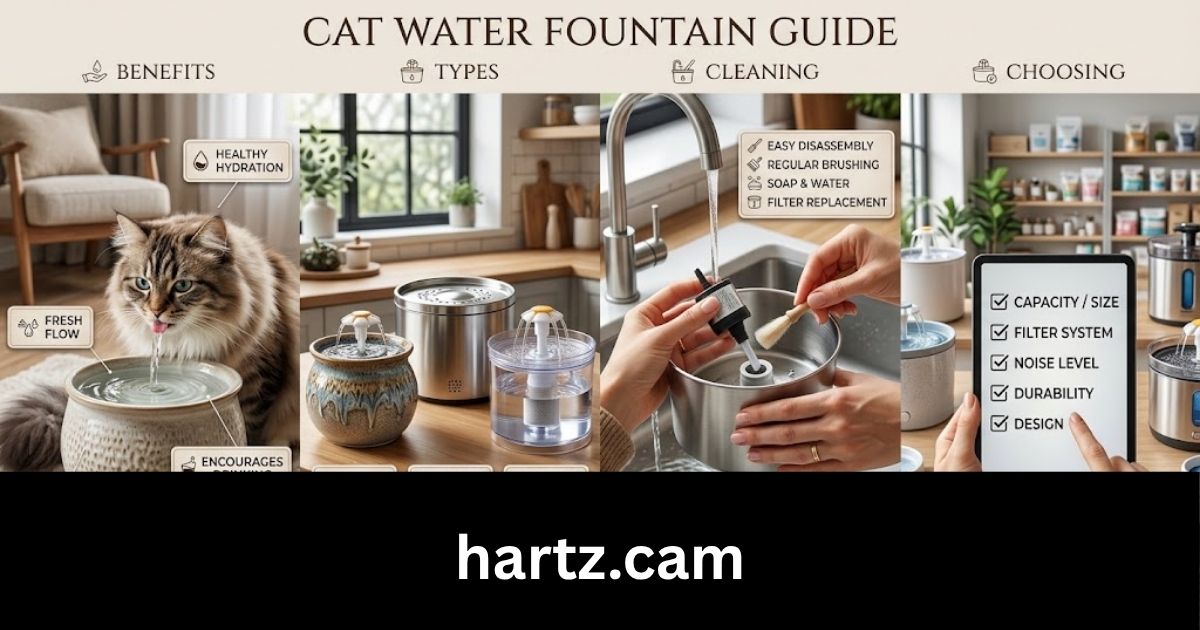
Keeping your cat hydrated is an essential part of responsible pet care. Cats sometimes drink less water than they need, especially when they primarily eat dry food. A cat water fountain can encourage regular drinking by providing a continuous flow of fresh water that many cats find interesting and appealing. Unlike a traditional water bowl, a fountain circulates water through a pump and filter system, depending on the model.
Whether you have a playful kitten, an adult indoor cat, or a senior feline, choosing the right water fountain can make daily hydration more convenient. However, not every fountain suits every cat. Understanding the available designs, maintenance requirements, and important safety features can help you make the right decision for your pet.
What Is a Cat Water Fountain?
A cat water fountain is a pet hydration device that stores water in a reservoir and circulates it through a small electric or battery-powered pump. Many models use filters to capture loose hair, food particles, and other debris. Some also include activated carbon to help reduce certain odors and improve the water’s taste.
Cat water fountains come in different sizes, materials, and designs. Some produce a gentle stream, while others create bubbling water or a small waterfall. The best choice depends on your cat’s drinking habits, the number of pets in your household, and how much time you can dedicate to cleaning.
Benefits of Using a Cat Water Fountain
1. Encourages Regular Water Intake
Some cats enjoy drinking from moving water because it attracts their attention. A fountain may encourage these cats to visit their water source more frequently than they would a stationary bowl.
Adequate hydration supports normal body functions, including digestion, circulation, and temperature regulation. Water intake is particularly important for cats that eat mostly dry food, which contains substantially less moisture than wet food.
However, a fountain does not guarantee that every cat will drink more. Some cats prefer still water, so observing your pet’s preferences is important.
2. Provides Circulating Water
A fountain continuously moves water while its pump is operating. This circulation can help keep the water appealing and distribute it through the reservoir.
Although moving water may seem fresher to cats, circulation does not eliminate the need for regular water changes. Hair, saliva, dust, and microorganisms can still accumulate inside the fountain.
3. Offers Convenient Hydration
A reservoir can hold more water than a small drinking bowl, reducing the frequency of refills in some households. This can be particularly useful for people with multiple cats.
Nevertheless, the reservoir should be checked daily. Water consumption varies depending on temperature, diet, activity, age, and health, so a larger reservoir should never replace regular monitoring.
4. Helps Keep Water Contained
Many cat water fountains have a defined drinking area and a reservoir designed to reduce splashing. Certain models may be less messy than open bowls, although this depends on the fountain’s shape and your cat’s drinking style.
A stable base and a suitable placement can help prevent spills.
Types of Cat Water Fountains
Different fountain designs offer different advantages. Understanding their features makes it easier to choose a model that fits your home.
Stainless Steel Cat Water Fountain
Stainless steel fountains are popular because the material is durable, generally easy to clean, and resistant to rust when properly manufactured and maintained. Many owners prefer stainless steel because it is nonporous and less likely to retain scratches than some plastic surfaces.
Look for a model with removable parts and a pump that can be cleaned thoroughly. Stainless steel does not make a fountain maintenance-free, and filters may still need regular replacement.
Ceramic Cat Water Fountain
Ceramic fountains often have a smooth, attractive finish that fits well with household décor. Glazed ceramic is generally easy to clean when the surface remains intact.
These fountains can be heavier than plastic alternatives, which may help keep them stable. However, ceramic can chip or break if dropped, so inspect it regularly for cracks and damaged glaze.
Plastic Cat Water Fountain
Plastic fountains are often lightweight and affordable. They are easy to move and may be a practical starting point for owners who are unsure whether their cats will enjoy running water.
Choose food-contact-safe materials and inspect the drinking surface for scratches. Scratched plastic can be more difficult to clean thoroughly and may retain residue. Replace damaged components when necessary.
Battery-Powered and Cordless Fountains
Cordless fountains can be useful in homes where electrical outlets are inconveniently located. Some models use rechargeable batteries, while others operate through replaceable batteries or a combination of power sources.
Check battery life, charging requirements, cleaning instructions, and whether the pump can be removed safely. Cordless operation does not automatically mean the fountain can run indefinitely without supervision.
Gravity-Fed Water Dispensers
Gravity-fed dispensers refill a drinking bowl from an attached reservoir as the water level drops. They are not necessarily fountains because they generally do not circulate or actively move the water.
They can provide a convenient alternative for cats that prefer still water, although they also require frequent cleaning and fresh refills.
How to Choose the Best Cat Water Fountain
Consider the Material
Material affects durability, cleaning, weight, and cost. Stainless steel is a strong choice for owners prioritizing durability and easy maintenance. Ceramic suits people who prefer a heavier, decorative design, while plastic can be useful for a lower-cost option.
Regardless of the material, choose a fountain with smooth surfaces and parts that can be removed for cleaning.
Choose the Right Capacity
A small fountain may work well for one cat, while a larger reservoir may be more practical for a household with multiple cats. However, capacity alone does not determine how often water needs changing.
Consider how much your cats drink, how often you can refill the reservoir, and whether the fountain can be cleaned without difficulty.
Check Noise Levels
Some cats are comfortable with the sound of flowing water, while others may be frightened by loud pumps or splashing. Look for a model advertised as quiet and read the manufacturer’s instructions for proper pump placement.
Low water levels can make some pumps noisier. Keeping the reservoir filled to the recommended level and cleaning the pump regularly can help maintain quieter operation.
Examine the Filtration System
Many fountains use replaceable filters that combine mesh, foam, or activated carbon. Different filters serve different purposes, so review the manufacturer’s specifications rather than assuming every filter removes the same contaminants.
A filter cannot make unsafe water safe in every circumstance. Always begin with an appropriate source of drinking water and replace filters according to the product instructions.
Look for Easy Cleaning
A fountain should be straightforward to disassemble, wash, rinse, and reassemble. Complicated designs with inaccessible corners can make routine maintenance more difficult.
Before purchasing, check whether the pump cover, reservoir, drinking tray, and other water-contact parts can be cleaned properly. Also confirm which components are dishwasher-safe instead of assuming all parts can go into a dishwasher.
Consider Your Cat’s Preferences
Cats may prefer different water depths, stream shapes, and drinking positions. A timid cat might be more comfortable with a gentle bubbling fountain, while another may enjoy a flowing stream.
Place the fountain in a quiet, accessible location away from litter trays. Many cats also appreciate having water separated from their food, so consider offering both a fountain and a conventional water bowl.
How to Clean a Cat Water Fountain
Regular cleaning is essential for keeping a fountain hygienic and functioning properly.
Step 1: Unplug the Fountain
Disconnect the fountain from its power source before disassembling it. If the model uses a battery, follow the manufacturer’s safety instructions before cleaning.
Never submerge an electrical component unless the manufacturer explicitly states that it is designed for that purpose.
Step 2: Empty and Disassemble It
Pour out the old water and separate the reservoir, drinking tray, pump cover, and other removable components. Follow the manufacturer’s instructions to avoid damaging clips, seals, or electrical parts.
Step 3: Wash the Components
Use warm water and mild, pet-safe dish soap to clean water-contact surfaces. A soft brush can help remove hair, slime, and deposits from corners and narrow channels.
Rinse every washed component thoroughly to remove soap residue. Avoid harsh cleaning chemicals unless specifically recommended for the product and used according to their instructions.
Step 4: Clean the Pump
Hair and mineral deposits can collect inside a pump and reduce its performance. If the manufacturer permits disassembly, clean the pump’s accessible components carefully, including the impeller area.
Never operate a pump while it is dry or damaged.
Step 5: Replace the Water and Reassemble
Refill the reservoir with fresh drinking water and reassemble the fountain according to the manufacturer’s instructions. Check that the pump is correctly positioned and that water flows normally.
How Often Should You Clean a Cat Water Fountain?
Check the water every day and refill it as needed. As a practical starting point, wash the fountain thoroughly at least once a week, or more frequently if several cats use it, visible slime develops, or the water becomes dirty. Follow the manufacturer’s guidance if it recommends more frequent cleaning.
Replace filters on the schedule specified for your model. Heavy use, hard water, and accumulated debris may require additional attention.
Common Cat Water Fountain Problems
The Fountain Has Stopped Working
A fountain may stop circulating because the reservoir is empty, the pump is clogged, or the power supply has failed. Disconnect it before checking the pump and electrical connections.
Clean any accessible debris, confirm that the water level is correct, and consult the manufacturer’s troubleshooting instructions.
The Water Looks Cloudy
Cloudy water may indicate accumulated debris, mineral deposits, or contamination. Empty the reservoir, wash the components, inspect the filter, and refill it with clean water.
If cloudiness returns quickly, investigate the water source and the fountain’s condition rather than simply replacing the water repeatedly.
Your Cat Refuses to Drink From It
A cat may dislike the noise, movement, location, or shape of a fountain. Introduce the device gradually and let your cat investigate it without pressure.
Keep a familiar water bowl nearby so your cat always has a comfortable alternative. Never force a cat to drink from a fountain.
The Pump Makes Too Much Noise
Low water levels, trapped air, debris, or an incorrectly positioned pump can contribute to noise. Check the water level and clean the pump according to the instructions.
If the noise persists, inspect the device for damage and contact the manufacturer if necessary.
Cat Water Fountain Safety Tips
Place the fountain on a stable, water-resistant surface away from electrical hazards. Keep cords secured so cats cannot chew them, and inspect cables for damage.
Use the fountain only as directed, and avoid running a pump without sufficient water. Clean the reservoir regularly, replace worn parts, and keep a separate source of drinking water available while cleaning or repairing the device.
Most importantly, monitor your cat’s drinking habits. A sudden increase or decrease in thirst, frequent urination, vomiting, lethargy, or other unusual symptoms may indicate a medical problem. Contact a veterinarian if you notice concerning changes rather than relying on a fountain to solve them.
Frequently Asked Questions About Cat Water Fountains
1. Are cat water fountains worth it?
A cat water fountain can be worthwhile if your cat enjoys moving water or if you want a convenient way to provide circulating water. Its value depends on your cat’s preferences and your willingness to maintain it.
2. Do cat water fountains encourage cats to drink more water?
Some cats drink more when offered a fountain, but others prefer ordinary bowls. Introduce the fountain gradually and monitor your cat’s overall water intake.
3. How often should I change the water in a cat fountain?
Check the water daily and replace it whenever it becomes dirty or contaminated. Refill with fresh water as needed, even if the fountain continues circulating the existing supply.
4. Are stainless steel cat water fountains better than plastic ones?
Stainless steel is generally durable, easy to clean, and resistant to surface scratching. Plastic fountains can be more affordable and lightweight, but scratched or damaged surfaces should be replaced when necessary.
5. Can I leave a cat water fountain on all day?
Many electric fountains are designed for continuous operation when assembled and filled correctly. Follow the manufacturer’s instructions, maintain the proper water level, and inspect the pump regularly.
6. Do cat water fountains need filters?
Some models require filters, while others use different filtration arrangements or operate without them. Follow the manufacturer’s guidance for cleaning and replacing any filters your model uses.
7. Why does my cat still drink from the tap instead of the fountain?
Your cat may prefer the tap’s water flow, sound, location, or drinking height. Try a different fountain style or placement, but keep fresh water available in a regular bowl as an alternative.
8. Can a cat water fountain prevent urinary problems?
No. Providing fresh water may support hydration, but a fountain cannot guarantee prevention of urinary tract disease, kidney disease, or urinary blockages. Seek veterinary advice about your cat’s hydration and urinary health.
Conclusion
A cat water fountain can be a useful addition to a pet-friendly home by providing circulating water and potentially encouraging cats to drink more often. The best model is one that suits your cat’s preferences, has an appropriate capacity, operates reliably, and can be cleaned without difficulty.
Stainless steel, ceramic, plastic, and cordless fountains each offer different advantages. Regardless of the design you choose, daily water checks, regular cleaning, and timely filter replacement are essential for good hygiene. Keep a traditional water bowl available as well, and pay attention to changes in your cat’s drinking habits.
With the right fountain and a consistent cleaning routine, you can make fresh drinking water more accessible and support your cat’s everyday hydration and overall well-being.