






Table of Contents
Introduction
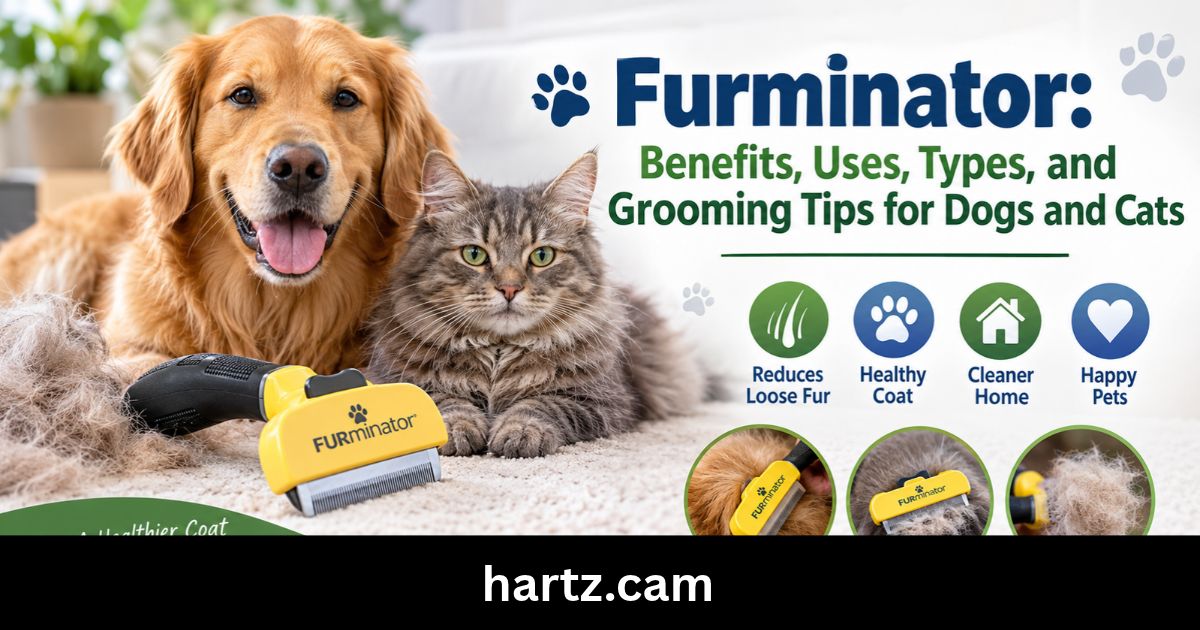
Keeping pets clean and comfortable is an essential part of responsible pet ownership. Dogs and cats naturally shed hair, and loose fur can accumulate on furniture, clothing, carpets, and bedding. Regular grooming helps manage shedding, maintain a healthy-looking coat, and support overall pet hygiene. One popular grooming solution is the Furminator, a specialized deshedding tool designed to remove loose hair from a pet’s undercoat.
The Furminator is available in different designs for dogs, cats, and various coat types. When used correctly, it can help reduce loose fur around the home while making regular grooming easier. However, understanding how the tool works, choosing the right model, and following safe grooming techniques are important for protecting your pet’s skin and coat.
This guide explains the Furminator, its benefits, different types, proper usage, safety precautions, and answers to frequently asked questions about pet grooming.
What Is Furminator?
Furminator is a pet grooming brand best known for its specialized deshedding tools. These products are designed to remove loose hair from the undercoat without requiring owners to cut or shave their pets’ fur.
Many dogs and cats have two layers of hair: a topcoat and an undercoat. The topcoat provides a protective outer layer, while the undercoat helps regulate temperature and offers additional insulation. During natural shedding cycles, loose undercoat hairs can become trapped beneath the topcoat and eventually spread throughout the home.
A Furminator deshedding tool uses a specially designed metal edge to collect and remove loose undercoat hair. Its effectiveness depends on the animal’s coat type, grooming condition, and the way the tool is used.
Although Furminator products are widely associated with shedding control, they do not completely stop shedding. Shedding is a normal biological process, and the amount of hair a pet loses varies according to breed, season, health, and environment.
How Does Furminator Work?
The Furminator is designed to reach beneath the outer coat and collect loose hair that is ready to shed. Its grooming edge helps lift loose undercoat hairs while allowing healthy topcoat hair to remain in place when the tool is used appropriately.
Removing Loose Undercoat Hair
Pets with thick or double coats may accumulate substantial amounts of loose undercoat hair. Brushing with an ordinary brush can remove surface hair, but a deshedding tool may collect additional loose hair from deeper within the coat.
This can make grooming sessions more productive, particularly during seasonal shedding periods.
Helping Manage Hair Around the Home
Regular deshedding can reduce the amount of loose fur that falls onto furniture, clothing, and floors. The results vary by animal, and owners may still notice hair around the home.
Combining a Furminator with routine brushing, suitable bathing, and regular cleaning can help maintain a more manageable grooming routine.
Supporting Coat Maintenance
Removing loose hair can help prevent some loose fur from accumulating in the coat. However, the tool should not be treated as a replacement for all other grooming methods.
Long-haired pets may still need a comb to identify tangles, while curly-coated breeds may require specialized grooming techniques.
Benefits of Using Furminator for Pets
A Furminator deshedding tool can offer several benefits when it is appropriate for the animal’s coat.
1. Helps Reduce Loose Fur
One of the main reasons pet owners choose Furminator is its ability to collect loose undercoat hair. This can be particularly useful for dogs and cats that shed heavily.
Using the tool during suitable grooming sessions may reduce the amount of loose fur that accumulates around the house.
2. Makes Grooming More Efficient
Because the tool is designed specifically for deshedding, it may remove loose undercoat hair more effectively than a basic brush alone.
The amount of time saved depends on the pet’s coat length, density, and condition.
3. Supports a Cleaner Coat
Removing loose hair can help keep the coat looking tidy. Regular grooming also provides an opportunity to check for tangles, dirt, skin irritation, and unusual changes in the animal’s appearance.
4. Helps Owners Monitor Skin Health
Grooming allows owners to inspect their pets for redness, bumps, parasites, wounds, or areas of hair loss.
A Furminator should never be used aggressively on irritated or damaged skin. If grooming reveals a persistent skin problem, veterinary advice may be necessary.
5. Offers Options for Different Pets
Furminator products are available in designs intended for different animals, sizes, and coat lengths. Choosing a suitable version is important because the wrong tool can make grooming uncomfortable or damage the coat.
Different Types of Furminator Products
Choosing the right grooming tool depends on whether you have a dog, cat, or another type of pet, as well as the animal’s coat characteristics.
Furminator for Dogs
Dog-specific tools are designed for various sizes and coat types. Some are intended for large dogs, while others are made for smaller breeds.
Dogs with dense double coats may benefit from an appropriate deshedding tool. However, dogs with very short coats, delicate skin, or hair that grows continuously may need a different grooming approach.
Always check the product’s intended coat type before using it.
Furminator for Cats
Cat-specific Furminator tools are designed to remove loose hair from feline coats. They can be useful for cats that shed frequently, including many short-haired and long-haired cats.
Cats generally require gentle handling during grooming. Begin with short sessions and stop if the cat shows signs of discomfort, fear, or irritation.
Avoid using a deshedding tool on matted fur, sensitive skin, or areas where the hair is already thin.
Short-Hair and Long-Hair Versions
Some Furminator models are designed for short-haired animals, while others are intended for long-haired coats.
The distinction matters because coat length affects how a grooming edge interacts with the hair. Using an unsuitable model can make grooming less effective and increase the risk of pulling or irritation.
Before purchasing a tool, review its recommended coat length, animal size, and grooming instructions.
How to Use Furminator Correctly
Correct technique is essential for making deshedding comfortable and effective.
Step 1: Inspect Your Pet’s Coat
Before grooming, examine the coat for tangles, mats, wounds, redness, or sensitive areas. Do not use the tool over irritated or injured skin.
If the coat is heavily matted, consult a professional groomer rather than trying to remove the mats with a deshedding tool.
Step 2: Choose the Right Tool
Select a Furminator model specifically intended for your pet’s species, size, and coat length.
If you are uncertain which model is suitable, consult the manufacturer’s instructions or ask a qualified groomer.
Step 3: Prepare the Grooming Area
Choose a calm location where your pet feels comfortable. Allow your dog or cat to become familiar with the tool before beginning.
For nervous animals, reward calm behavior with treats and keep the initial session short.
Step 4: Brush in the Direction of Hair Growth
Move the tool gently through the coat in the direction the hair naturally grows. Use light pressure and avoid repeatedly brushing the same area.
Never scrape the tool across the skin or use it to pull through tangles.
Step 5: Clean the Tool Regularly
Remove accumulated hair as needed during grooming. After finishing, clean the tool according to its care instructions and store it safely.
Cleaning the tool helps maintain its performance and keeps the grooming process hygienic.
Step 6: Check Your Pet’s Skin
After grooming, inspect the coat and skin for redness or signs of discomfort. If your pet appears irritated, discontinue use and reassess your technique.
If irritation persists, consult a veterinarian.
How Often Should You Use Furminator?
The ideal grooming frequency depends on the animal’s breed, coat type, shedding pattern, and skin condition.
Some pets benefit from brief, regular grooming sessions, while others need deshedding only occasionally. During seasonal shedding, owners may notice more loose hair and feel tempted to use the tool more frequently.
However, excessive deshedding can irritate the skin and remove more hair than necessary.
Follow the instructions for your particular product rather than assuming that daily use is appropriate. Begin conservatively and observe how your pet responds.
If your dog or cat has a thin coat, sensitive skin, a medical skin condition, or unusual hair loss, ask a veterinarian whether a deshedding tool is suitable.
Is Furminator Safe for Dogs and Cats?
Furminator can be safe when the correct product is used gently and according to its instructions. Nevertheless, no deshedding tool is suitable for every animal or every coat condition.
Potential Problems
Incorrect or excessive use may cause skin irritation, redness, discomfort, or breakage of healthy hair. Pressing too hard or repeatedly grooming one spot can increase these risks.
A deshedding tool may also be unsuitable for pets with certain coat structures, very sparse hair, painful skin conditions, or significant matting.
When to Avoid Using It
Avoid using a Furminator directly over:
- Open wounds or damaged skin.
- Inflamed, infected, or painful areas.
- Tight mats and tangled sections.
- Areas with unexplained hair loss.
- Any area where your pet shows pain or distress.
If your pet suddenly starts shedding much more than usual, develops bald patches, or repeatedly scratches or licks its skin, arrange a veterinary assessment rather than relying on grooming products alone.
Furminator vs. Regular Pet Brush
Both deshedding tools and ordinary brushes have a role in pet care, but they serve different purposes.
A regular brush can help remove surface hair, smooth the coat, and manage certain types of tangles. A suitable comb can be especially useful for checking long-haired pets for knots.
A Furminator is specifically designed to remove loose undercoat hair. It may be more effective for some double-coated animals, but it is not necessarily the best choice for every breed.
For example, a dog with a dense double coat may benefit from a deshedding tool, while a curly-coated dog may require a slicker brush and professional clipping.
The best grooming routine depends on the animal’s individual needs. In some cases, combining an appropriate brush with occasional deshedding provides better results than relying on a single tool.
Tips for Better Pet Grooming
A consistent grooming routine can help keep your pet comfortable and make coat maintenance easier.
Understand your pet’s breed: Different breeds have different grooming requirements. Research your animal’s coat type before choosing a tool.
Use gentle movements: Avoid excessive pressure, rapid scraping, or repeated strokes over one area.
Reward positive behavior: Treats, praise, and short sessions can help pets develop a positive association with grooming.
Maintain a healthy diet: Balanced nutrition supports normal skin and coat health. Persistent coat problems should be discussed with a veterinarian.
Bathe when appropriate: Use a pet-safe shampoo suited to your animal. Follow suitable drying and brushing practices to prevent tangles.
Monitor unusual shedding: Sudden or excessive hair loss may indicate parasites, allergies, skin disease, stress, or another health concern.
Keep grooming tools clean: Remove collected hair after each session and inspect the tool for damage before use.
Frequently Asked Questions About Furminator
1. What is Furminator used for?
Furminator is a grooming brand best known for tools that remove loose undercoat hair from dogs and cats. These tools can help manage shedding when used correctly on suitable coat types.
2. Does Furminator stop shedding completely?
No. Shedding is a natural process, and no grooming tool can eliminate it completely. Furminator helps collect loose hair before it spreads around the home.
3. Can I use Furminator on my cat?
Yes, provided you choose a suitable cat-specific model and follow its instructions. Use gentle movements and stop if your cat becomes uncomfortable.
4. Is Furminator suitable for every dog breed?
No. Its suitability depends on the dog’s coat type, length, and skin condition. Some dogs benefit from deshedding tools, while others need a conventional brush or a specialized grooming method.
5. How often should I use Furminator?
There is no single schedule that suits every pet. Follow the product instructions and adjust grooming frequency to your animal’s coat and skin condition. Avoid excessive use.
6. Can Furminator damage a pet’s coat?
Yes, incorrect or overly frequent use can irritate the skin or damage healthy hair. Choose the correct model, apply minimal pressure, and avoid repeated strokes over the same area.
7. Does Furminator help with pet allergies?
It may reduce the amount of loose fur in the home, but it does not eliminate pet allergens. Many pet allergens are proteins found in skin flakes, saliva, and other materials, not just shed hair. People with significant allergies may need additional cleaning measures and medical advice.
8. Is Furminator better than a regular brush?
Neither tool is universally better. Furminator is designed for loose undercoat hair, while regular brushes are useful for general grooming, surface hair removal, and certain tangles. The right choice depends on your pet’s coat.
Conclusion
Furminator is a popular option for managing loose undercoat hair and maintaining a more manageable grooming routine for suitable dogs and cats. Its specialized design can help remove shedding hair, reduce loose fur around the home, and make regular coat maintenance easier.
However, choosing the correct model and using it gently are essential. Not every pet needs a deshedding tool, and excessive grooming can irritate the skin or damage the coat. Owners should consider their pet’s breed, coat length, skin condition, and individual grooming needs before using Furminator.
By combining appropriate brushing, balanced nutrition, regular skin checks, and professional veterinary care when necessary, pet owners can support healthy coats and comfortable grooming experiences. The goal is not to eliminate natural shedding but to manage it safely while keeping pets clean, healthy, and happy.