



Table of Contents
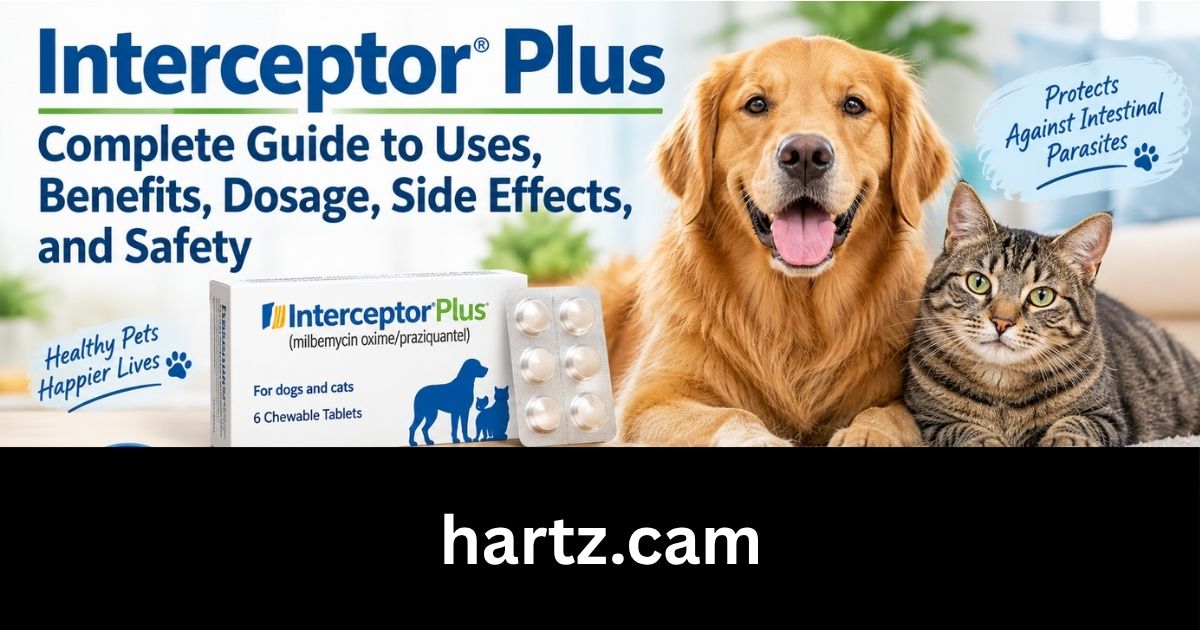
Taking care of a dog’s health involves more than providing good food, exercise, and regular grooming. Parasite prevention is another important part of responsible pet wellness. Interceptor Plus is a prescription medication used in dogs to help prevent heartworm disease and treat or control several common intestinal worms.
Plus contains two active ingredients, milbemycin oxime and praziquantel. Together, these ingredients provide protection against heartworms as well as several types of intestinal parasites, including roundworms, hookworms, whipworms, and tapeworms.
Because parasites can affect dogs of different ages and lifestyles, understanding how Plus works, how it is administered, and what precautions apply can help pet owners make informed decisions with their veterinarian.
What Is Plus?
Interceptor Plus is a monthly flavored chewable medication for dogs. It is designed to provide heartworm prevention while also treating and controlling certain intestinal worm infections.
According to the product information, Interceptor Plus is labeled for dogs and puppies that are 6 weeks of age or older and weigh at least 2 pounds. It is a prescription product, so a veterinarian should determine whether it is suitable for an individual dog.
The medication contains two active ingredients:
- Milbemycin oxime
- Praziquantel
Milbemycin oxime provides heartworm prevention and activity against certain intestinal roundworms, hookworms, and whipworms. Praziquantel works against several species of adult tapeworms.
This combination means one monthly product can address multiple important parasite concerns.
What Does Interceptor Plus Protect Dogs Against?
Plus is designed to provide protection against several parasites that can affect dogs. Understanding each parasite can help explain why regular prevention is important.
Heartworms
Heartworm disease is caused by Dirofilaria immitis, a parasite transmitted by mosquitoes. Once infection becomes established, adult heartworms can live in the heart and major blood vessels, potentially causing serious cardiovascular and respiratory complications.
Interceptor Plus is used to prevent heartworm disease by eliminating developing heartworm larvae before they mature into adult worms.
However, Plus should not be considered a treatment for established adult heartworms. Dogs should be tested for heartworm infection before starting a preventive program as recommended by a veterinarian.
Roundworms
Roundworms are common intestinal parasites, particularly in puppies. They can cause digestive problems, poor growth, abdominal discomfort, and other symptoms.
Plus treats and controls adult infections caused by certain roundworm species, including Toxocara canis and Toxascaris leonina.
Because some intestinal parasites can also affect people, controlling worm infections is an important part of household pet hygiene.
Hookworms
Hookworms are small intestinal parasites that attach to the intestinal lining and consume blood. Heavy infections can be particularly concerning in puppies because blood loss may contribute to anemia.
Plus treats and controls adult Ancylostoma caninum hookworms.
Veterinary testing can help determine whether a dog has a current intestinal parasite infection and whether additional treatment or follow-up is necessary.
Whipworms
Whipworms, particularly Trichuris vulpis, live in the large intestine of infected dogs. They can cause diarrhea, weight loss, reduced appetite, and other gastrointestinal problems, especially when infections are significant.
Interceptor Plus is labeled to treat and control adult whipworm infections.
Tapeworms
Tapeworms are another type of intestinal parasite found in dogs. Some species are associated with ingestion of infected fleas or other intermediate hosts.
Praziquantel, one of the ingredients in Plus, is responsible for treating several adult tapeworm species listed on the product label.
How Does Interceptor Plus Work?
The two active ingredients in Interceptor Plus have different functions.
Milbemycin oxime works against developing heartworm stages and several intestinal nematodes. It is responsible for the medication’s heartworm-prevention activity as well as its activity against certain roundworms, hookworms, and whipworms.
Praziquantel works primarily against adult tapeworms. It interferes with the function of the tapeworm’s tissues, allowing the parasite to be eliminated from the dog’s digestive system.
By combining these ingredients, Plus offers broader parasite coverage than a product designed to address only one type of intestinal worm.
Interceptor Plus Dosage
Plus dosage is based on the dog’s body weight. Different chewable strengths are available for different weight ranges.
The labeled weight categories include:
- 2 to 8 pounds
- 8.1 to 25 pounds
- 25.1 to 50 pounds
- 50.1 to 100 pounds
- Dogs weighing more than 100 pounds may require an appropriate combination of chewables.
Pet owners should use the strength prescribed for their dog’s current weight rather than attempting to calculate or adjust the dose themselves.
Dogs can gain or lose weight over time, particularly puppies as they grow. Checking your dog’s weight regularly can help ensure that the veterinarian has accurate information when selecting the appropriate medication strength.
Never give a dog a larger or smaller dose simply because another pet in the household receives a particular strength.
How to Give Interceptor Plus
Plus is administered orally as a monthly chew. It can generally be offered directly to the dog or given with a small amount of food, according to the product directions.
The entire chew should be consumed.
Some dogs readily accept chewable medications as treats, while others may need the medication hidden in a small amount of food. Make sure the dog actually consumes the complete dose.
If your dog spits out the medication, vomits shortly after receiving it, or you are uncertain whether the full dose was swallowed, contact your veterinarian for guidance instead of automatically giving another dose.
How Often Should Interceptor Plus Be Given?
Interceptor Plus is intended to be given once every month.
Maintaining a consistent schedule is particularly important for heartworm prevention. Missing doses can leave a dog without adequate protection.
Many owners find it helpful to choose a specific day of each month for parasite prevention and use a phone reminder or calendar alert.
If a dose is missed, the appropriate response can depend on how late the dose is and the dog’s heartworm-prevention history. Contact your veterinarian or follow the current product instructions for guidance.
Is Interceptor Plus Safe for Dogs?
Plus is labeled for use in dogs and puppies that meet the minimum age and weight requirements. However, every dog is different, and prescription medications should be used according to veterinary instructions.
Your veterinarian may consider your dog’s:
- Age
- Weight
- Overall health
- Previous parasite history
- Heartworm status
- Other medications
- Pregnancy or breeding status
- Lifestyle and parasite exposure
The safety information for the product includes specific precautions involving breeding and lactating dogs, so owners should tell their veterinarian if their dog is pregnant, nursing, or intended for breeding.
Interceptor Plus Side Effects
Like other medications, Plus can cause adverse reactions in some dogs.
Reported reactions associated with the ingredients include:
- Vomiting
- Diarrhea
- Reduced appetite
- Lethargy
- Weakness
- Excessive salivation
- Incoordination
- Convulsions
These reactions are not expected in every dog, and many dogs tolerate parasite preventives without significant problems.
If your dog develops unusual, severe, or persistent symptoms after receiving Plus, contact your veterinarian promptly.
Dogs with existing heartworm infection may also require special consideration. Giving a heartworm preventive to a dog with circulating microfilariae can sometimes produce a hypersensitivity reaction. This is one reason appropriate heartworm testing is important.
Does Interceptor Plus Treat Existing Heartworms?
No. This is an important distinction for dog owners.
Plus is designed for heartworm prevention, not for eliminating adult heartworms already established in the dog’s cardiovascular system.
If a dog has been infected with adult heartworms, the veterinarian may recommend a separate treatment plan. Heartworm disease can be serious, and treatment decisions should be made under professional veterinary supervision.
Testing before beginning or restarting heartworm prevention can therefore be an important part of a dog’s parasite-care routine.
Plus and Intestinal Worm Prevention
Dogs can encounter intestinal parasites through contaminated soil, feces, infected animals, fleas, or other environmental sources.
Even after treatment, dogs can potentially become reinfected. For this reason, medication should be combined with sensible hygiene practices.
Pet owners should promptly pick up dog feces from yards and public areas. Keeping kennels, sleeping areas, and frequently used outdoor spaces clean can also reduce exposure.
Preventing dogs from eating feces or hunting and consuming potentially infected animals may further reduce parasite exposure.
Interceptor Plus vs. Other Dog Dewormers
Not every parasite medication provides the same coverage.
Some dewormers are designed specifically for certain intestinal worms. Other medications are intended primarily for heartworm prevention. Some combination products cover multiple parasite categories.
Interceptor Plus combines heartworm prevention with treatment and control of several intestinal worms, including roundworms, hookworms, whipworms, and tapeworms.
However, broader coverage does not automatically mean that the product is appropriate for every dog. Parasite prevalence varies by location and lifestyle, and some dogs may require additional parasite-control measures.
A veterinarian can help determine which preventive strategy fits a dog’s individual needs.
How to Store Interceptor Plus
Medication should be stored according to the product label and kept out of reach of children and pets that should not receive it.
Avoid giving expired medication. If packaging has been damaged or the medication appears unusual, contact the dispensing veterinarian or pharmacy before using it.
Keeping parasite medication in its original packaging can also make it easier to confirm the product name, strength, expiration date, and instructions.
Tips for Maintaining Better Dog Parasite Prevention
A good parasite-prevention routine involves more than remembering a monthly medication.
Keep a Monthly Schedule
Use a calendar or phone reminder to make sure monthly doses are not forgotten.
Schedule Veterinary Checkups
Routine veterinary examinations allow your veterinarian to monitor your dog’s overall health and determine whether parasite testing is appropriate.
Pick Up Feces Promptly
Removing dog feces from yards and public areas reduces environmental contamination and can help limit the spread of intestinal parasites.
Monitor for Symptoms
Watch for signs such as persistent diarrhea, vomiting, unexplained weight loss, coughing, poor appetite, weakness, or changes in energy. These symptoms can have many causes, so veterinary evaluation is important.
Keep Parasite Prevention Consistent
Parasite prevention works best when administered according to the recommended schedule. If you miss a dose or are uncertain about your dog’s medication history, ask your veterinarian how to proceed.
Frequently Asked Questions About Interceptor Plus
1. What is Interceptor Plus used for?
Interceptor Plus is a monthly prescription chew for dogs used to prevent heartworm disease and treat or control certain adult intestinal worms, including roundworms, hookworms, whipworms, and tapeworms.
2. Can puppies take Interceptor Plus?
The product is labeled for puppies at least 6 weeks old and weighing at least 2 pounds. The appropriate chewable strength depends on body weight.
3. Does Interceptor Plus kill tapeworms?
Yes. Praziquantel, an active ingredient in Interceptor Plus, is effective against several adult tapeworm species listed on the product label.
4. Does Interceptor Plus treat adult heartworms?
No. Interceptor Plus is a heartworm preventive and does not eliminate established adult heartworms. Dogs should be evaluated for existing heartworm infection as recommended by a veterinarian.
5. How often should Interceptor Plus be given?
Interceptor Plus is designed to be administered once a month. Following the recommended schedule is important for maintaining heartworm prevention.
6. What are the common side effects of Interceptor Plus?
Reported adverse reactions include vomiting, diarrhea, lethargy, reduced appetite, weakness, excessive salivation, incoordination, and, in some cases, neurological reactions such as convulsions.
7. Does my dog need a heartworm test before using Interceptor Plus?
Heartworm testing before starting or restarting prevention is important because the medication is not intended to treat adult heartworms. Your veterinarian can determine the appropriate testing schedule for your dog.
8. Is Interceptor Plus available without a prescription?
In the United States, Interceptor Plus is a prescription medication. Availability and dispensing requirements can vary by country, so pet owners should follow local veterinary and pharmacy requirements.
Conclusion
Interceptor Plus is a monthly canine parasite medication that combines milbemycin oxime and praziquantel to provide heartworm prevention and treatment or control of several important intestinal worms. Its labeled parasite coverage includes developing heartworms as well as adult roundworms, hookworms, whipworms, and several tapeworm species.
For effective pet wellness, consistent administration is important. However, parasite prevention should be individualized according to a dog’s age, weight, health history, lifestyle, geographic exposure, and veterinary recommendations.
Regular veterinary checkups, appropriate heartworm testing, good hygiene, prompt removal of feces, and consistent parasite prevention can all contribute to a healthier life for dogs. If you are considering Interceptor Plus for your pet, discuss the appropriate dose and parasite-prevention plan with your veterinarian before starting treatment.