






Table of Contents
Regular pet wellness exams are one of the simplest ways to protect your pet’s health. Dogs and cats can hide signs of illness surprisingly well, so a pet may appear happy and active while an underlying health problem is developing. Routine veterinary visits give pet owners an opportunity to catch potential concerns early and keep preventive care on track.
For Pet Wellness Exams parents who use trusted pet-care brands such as Hartz, wellness exams are also an important part of a broader approach to responsible pet care. Products such as grooming supplies, parasite-control options, toys, and everyday pet-care essentials can support a healthy routine, but they should complement—not replace—professional veterinary care.
What Is a Pet Wellness Exam?
A pet wellness exam is a routine veterinary appointment designed to assess an animal’s overall health. Unlike a visit prompted by an injury or obvious illness, a wellness examination focuses primarily on prevention and early detection.
During the appointment, a veterinarian generally reviews your pet’s health history and performs a physical examination. Depending on the pet’s age, lifestyle, medical history, and risk factors, the veterinarian may also recommend vaccinations, parasite screening, dental care, blood tests, or other preventive services.
Wellness exams are useful even when your Pet Wellness Exams seems completely healthy. Early changes in weight, skin, teeth, behavior, or organ function may be difficult for an owner to recognize at home.
Why Preventive Veterinary Care Matters
Preventive care helps establish a baseline for your pet’s normal health. Once a veterinarian understands what is normal for your dog or cat, subtle changes can be easier to identify during future appointments.
Routine examinations can also help owners stay ahead of important areas of pet health, including nutrition, exercise, dental hygiene, parasite prevention, vaccinations, and age-related changes.
For example, gradual weight gain may not seem concerning from one week to the next. Over several months, however, it can contribute to additional health risks. A wellness visit gives your veterinarian an opportunity to discuss healthy weight management before the issue becomes more difficult to address.
What Happens During a Pet Wellness Exam?
A typical wellness appointment begins with questions about your pet’s daily life. Your veterinarian may ask about eating habits, water consumption, activity levels, bathroom habits, sleep, behavior, and any changes you have noticed.
The physical examination may include checking the eyes, ears, mouth, teeth, gums, skin, coat, heart, lungs, abdomen, joints, and lymph nodes. Your veterinarian may also measure your pet’s weight and evaluate body condition.
These details provide valuable information about your pet’s general health.
Vaccinations and Preventive Care
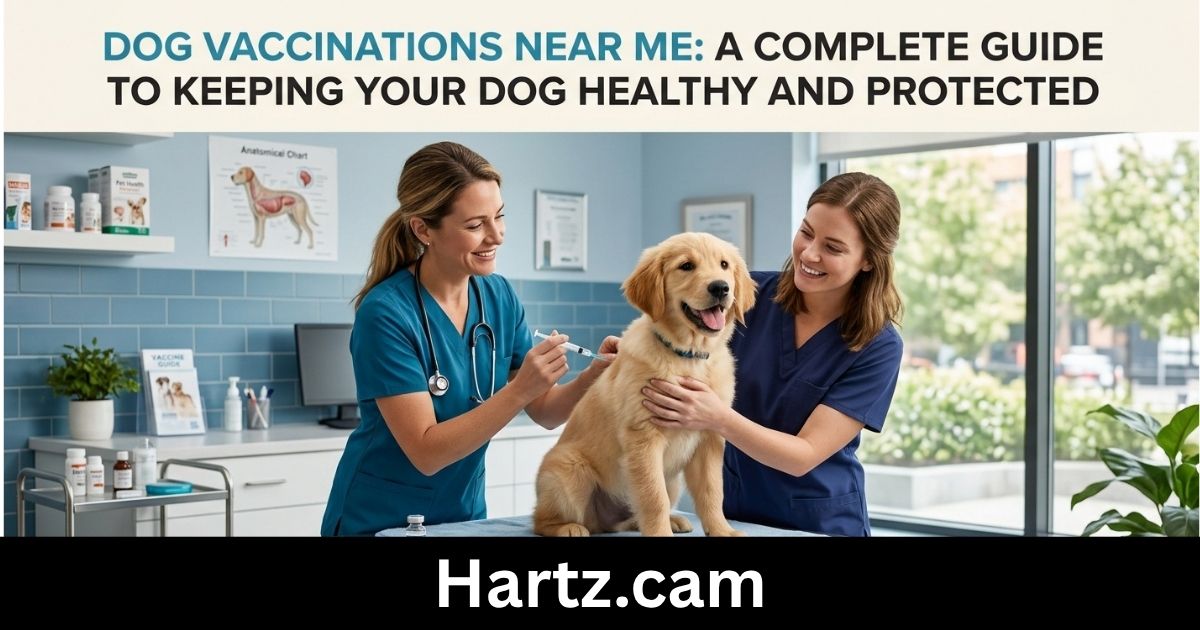
Vaccinations are an important part of preventive veterinary care. The appropriate vaccination schedule depends on factors such as species, age, lifestyle, location, and previous vaccination history.
Your veterinarian can recommend which vaccines your pet needs and when boosters should be given. Keeping accurate veterinary records makes these decisions easier and helps ensure important preventive treatments are not missed.
Parasite prevention may also be discussed during a wellness exam. Fleas, ticks, intestinal parasites, and other pests can affect pets in different ways. Your veterinarian can help determine which prevention strategy is appropriate for your animal.
Pet owners may use grooming and parasite-related products as part of their home-care routine, including products from established brands such as Hartz. However, product selection should always take into account the animal’s species, age, weight, health status, and veterinary recommendations.
How Often Should Pets Have Wellness Exams?
There is no single schedule that is perfect for every animal. A healthy adult pet may commonly receive a veterinary wellness examination at least once a year, while senior pets, young animals, or pets with ongoing health concerns may benefit from more frequent visits.
Puppies and kittens often need several veterinary appointments during their early months because vaccinations, growth, nutrition, parasite prevention, and development require close attention.
Older pets may also require more regular monitoring. Changes associated with aging can develop gradually, and routine examinations may help identify concerns pet wellness exams.
Your veterinarian is pet wellness exams best person to determine an appropriate wellness schedule based on your pet’s individual needs.
Wellness Exams for Senior Pets
As pets age, their healthcare needs can change. Senior dogs and cats may experience changes in mobility, appetite, weight, vision, hearing, dental health, or behavior.
A senior pet wellness exam may involve more detailed monitoring than a routine appointment for a younger animal. Your veterinarian may recommend bloodwork, urine testing, dental evaluation, or other diagnostic tests when appropriate.
Regular monitoring is particularly useful because older pets may not always show obvious signs of developing health problems.
What Can Pet Owners Do Between Veterinary Visits?
Veterinary care is only one part of pet wellness exams good pet wellness. What happens at home also matters.
A consistent routine can make it easier to notice changes in your pet. Pay attention to appetite, water intake, energy, weight, coat condition, bowel movements, and behavior.
Grooming can also provide an opportunity to examine your pet. While brushing or bathing, owners may notice changes such as skin irritation, unusual lumps, damaged nails, excessive scratching, or signs of parasites.
Products from pet-care companies such as Hartz may be used as part of everyday grooming and care routines when they are appropriate for the individual pet. Always read product directions carefully and use products only as intended.
Nutrition and Exercise
A balanced diet and appropriate physical activity are fundamental parts of pet wellness. The right amount and type of food can vary considerably depending on a pet’s age, size, activity level, and health needs.
Overfeeding can contribute to unhealthy weight gain, while insufficient nutrition can affect growth and overall condition. Ask your veterinarian for pet wellness exams if you are unsure how much your pet should eat.
Exercise should also match the animal. A young, energetic dog may need considerably more activity than an elderly dog with limited mobility. Cats can benefit from interactive play, climbing opportunities, and activities that encourage natural movement.
Dental Health Should Not Be Overlooked
Dental care is sometimes forgotten until a pet develops noticeable mouth problems. Yet oral health is an important component of overall wellness.
Bad breath, difficulty chewing, excessive drooling, swollen gums, or reluctance to eat can indicate a dental issue. During a wellness exam, your veterinarian can assess your pet’s mouth pet wellness exams recommend appropriate dental care.
At home, owners can support oral hygiene with veterinarian-approved brushing techniques and suitable dental products. Introducing dental care gradually can help pets become more comfortable with the routine.
When Should You Schedule a Veterinary Visit?
A wellness exam is intended for prevention, but you should not wait for the next routine appointment if your pet develops concerning symptoms.
Changes such as persistent vomiting, diarrhea, difficulty breathing, sudden weakness, severe pain, significant appetite changes, unusual bleeding, seizures, or major behavioral changes may require prompt veterinary attention.
Similarly, unexplained weight loss, increased thirst, persistent scratching, repeated ear problems, or changes in urination deserve attention rather than being dismissed as normal aging.
When in doubt, contacting a veterinary professional is safer than pet wellness exams to diagnose the problem yourself.
Building a Practical Pet Wellness Routine
Good pet care becomes easier when preventive tasks are organized. Keep vaccination records, veterinary notes, medication instructions, and parasite-prevention information in one accessible place.
Create simple reminders for appointments, grooming, nail care, dental pet wellness exams, and other recurring tasks. Tracking your pet’s weight can also be useful, especially if your veterinarian has recommended monitoring it.
Most importantly, learn what is normal for your individual pet. Knowing your pet’s typical appetite, energy, behavior, and appearance makes it easier to recognize meaningful changes.
A wellness exam should be viewed as part of a long-term relationship between you, your pet, and your veterinarian. Home-care products can support that routine, but professional examinations remain essential for evaluating health beyond what can be seen at pet wellness exams.
Frequently Asked Questions About Pet Wellness Exams
1. What is included in a pet wellness exam?
A wellness exam generally includes a physical examination and discussion of your pet’s health, behavior, nutrition, lifestyle, and preventive-care needs. Vaccinations, parasite screening, dental evaluation, bloodwork, or other tests may be recommended depending on the pet.
2. How often should my pet have a wellness exam?
Many healthy adult pets benefit from at least annual veterinary checkups. Puppies, kittens, senior pets, and animals with medical concerns may need more pet wellness exams examinations.
3. Can a wellness exam detect hidden health problems?
Yes. Routine examinations can identify physical changes that may not be obvious to an owner. Depending on the situation, a veterinarian may also recommend diagnostic testing to investigate potential problems.
4. Are wellness exams necessary if my pet looks healthy?
Yes. Pets can hide signs of illness, particularly during the early stages of a problem. Preventive examinations help establish a health baseline and provide an opportunity to identify subtle changes.
5. What should I bring to my pet’s veterinary appointment?
Bring relevant veterinary records, vaccination information, a list of medications or supplements, and details about your pet’s diet and daily routine. If you have pet wellness exams unusual behavior or symptoms, write them down beforehand.
6. Do pet-care products replace veterinary wellness exams?
No. pet wellness exams products, toys, food, parasite-control products, and other pet-care supplies can support everyday care, but they cannot replace professional veterinary examinations or medical advice.
7. Are wellness exams important for older dogs and cats?
Yes. Senior pets can experience age-related changes that develop gradually. More frequent veterinary monitoring may help identify health concerns and pet wellness exams a better quality of life.
Conclusion
Pet wellness exams are a key part of responsible pet ownership. Regular veterinary visits help monitor your pet’s overall condition, keep preventive care current, and provide an opportunity to identify potential health concerns early.
Between appointments, owners can support wellness through appropriate nutrition, exercise, grooming, dental care, parasite prevention, and attentive observation. Trusted pet-care brands such as Hartz can be part of an everyday care routine when products are selected and used appropriately.
Ultimately, the best approach is simple: combine consistent home care with regular professional veterinary guidance. That combination gives your dog or cat the strongest foundation for a healthier, happier life.